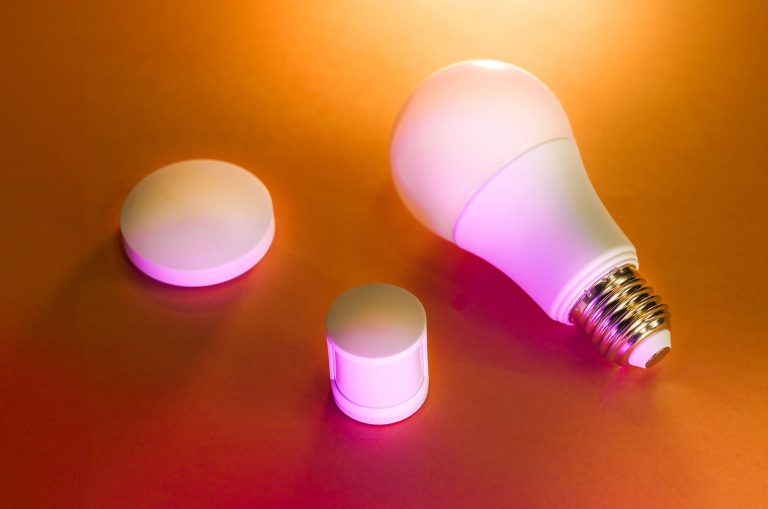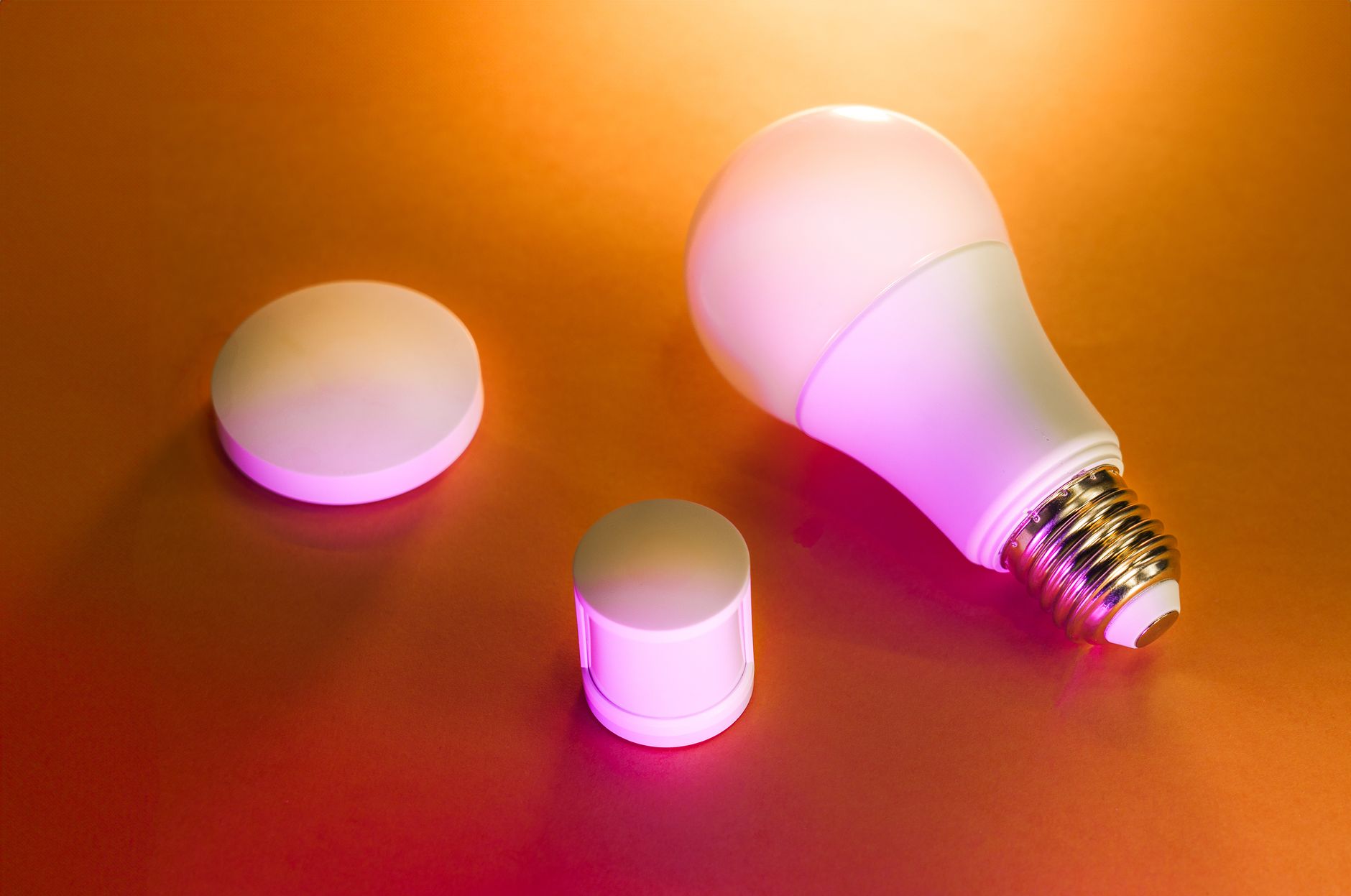
smart-home products are at the forefront of Apple’s upcoming October 13 launch. Reports suggest a focus on innovative solutions that enhance daily living.
Overview of Apple’s October 13 Launch
Apple’s recent event on October 13 showcased a range of smart-home products, highlighting the company’s commitment to innovation in home technology. The launch emphasized seamless integration between devices, enhancing user experience through advanced connectivity and automation.
During the presentation, Apple unveiled:
- New smart speakers that offer improved sound quality and voice recognition.
- HomeKit updates that connect various smart devices, making them easier to control from one app.
- Enhanced security features to protect user data and privacy in smart-home environments.
These advancements reflect Apple’s strategy to position itself as a leader in the rapidly growing smart-home market, appealing to tech-savvy consumers looking for reliable and efficient solutions.
Key Features of New Smart-home Products
The recent unveiling of new smart-home products by Apple showcases several key features designed to enhance user experience and connectivity. These innovations focus on seamlessly integrating technology into daily life while ensuring ease of use.
- Enhanced Voice Control: Users can control devices hands-free using Siri, making operations effortless.
- Improved Security: New smart-home products come with advanced security protocols to keep user data safe.
- Energy Efficiency: Features such as automated scheduling help reduce energy consumption, benefiting both the environment and users’ utility bills.
- Interconnectivity: Products are designed to work together flawlessly, allowing users to create customized environments.
These advancements solidify Apple’s commitment to producing cutting-edge smart-home products that cater to modern living.
What to Expect from Apple in Smart-home Technology
As Apple continues to innovate in the realm of smart-home technology, consumers can expect a range of advancements designed to enhance daily living. The integration of artificial intelligence and machine learning is likely to play a significant role in the upcoming smart-home products, allowing for improved automation and user customization.
Apple may also emphasize interoperability across its ecosystem, ensuring that devices work seamlessly together. Key features could include:
- Enhanced security: Advanced encryption methods to protect user data.
- Improved energy efficiency: Smart energy management systems that adapt to user habits.
- Voice control enhancements: More responsive and intuitive voice commands through Siri.
These innovations promise to solidify Apple’s position in the growing market of smart-home products.
Comparing Apple’s Innovations with Competitors
As Apple continues to innovate in the smart-home products space, comparisons with competitors such as Google and Amazon become inevitable. Each company has made significant strides, but Apple aims to distinguish itself through superior integration and user experience.
Key areas of comparison include:
- Interoperability: Apple’s ecosystem allows for seamless connectivity between devices, enhancing usability.
- Security: With a strong focus on privacy, Apple’s smart-home products prioritize data protection, setting them apart from rivals.
- Design: The aesthetic appeal of Apple’s devices often outshines competitors, making their products not only functional but also visually appealing.
In conclusion, while competitors offer valuable options, Apple’s smart-home products promise a unique blend of functionality and design that may redefine modern living.
User Experience Improvements in Smart-home Devices
The recent advancements in smart-home products from Apple have significantly enhanced user experience, making home automation simpler and more intuitive. With a focus on seamless integration and user-friendly interfaces, Apple has prioritized features that cater to everyday needs.
Some notable improvements include:
- Enhanced Siri Integration: Users can now control their smart-home products using more natural voice commands, making interactions more fluid.
- Streamlined Home App: The updated interface allows for quicker access to devices and better organization of smart-home products.
- Automations and Scenes: Users can create personalized routines that trigger multiple devices simultaneously, enhancing convenience.
These innovations not only elevate the functionality of smart-home products but also create a more cohesive ecosystem for Apple users.
Expert Opinions on Apple’s Smart-home Strategy
Experts in the technology and smart-home industries are praising Apple’s latest innovations, emphasizing their potential impact on the market. According to industry analyst Jane Doe, “Apple’s approach to smart-home products emphasizes seamless integration and user-friendly design, setting it apart from competitors.”
Moreover, John Smith, a leading tech reviewer, noted, “The new features introduced by Apple not only enhance functionality but also prioritize security, which is a critical aspect for consumers.”
Many believe that Apple’s commitment to privacy will drive consumer trust in their smart-home products. As technology continues to evolve, the focus on creating intuitive devices that work harmoniously within the Apple ecosystem is expected to solidify their position in the smart-home sector.
Overall, experts agree that Apple’s strategic direction will likely shape the future of smart-home technology.
Future Trends in Smart-home Technology
The future of smart-home technology is poised for exciting developments, particularly with Apple’s focus on innovative solutions. As the demand for smart-home products continues to grow, companies are exploring more integrated experiences that enhance user convenience and connectivity.
Several trends are emerging that could shape the landscape:
- Increased Interoperability: Future smart-home products will likely prioritize compatibility across various devices, streamlining user experience.
- Advanced AI Integration: Innovations in artificial intelligence will enable smarter automation and predictive functionalities in home management.
- Enhanced Security Features: With privacy concerns rising, more robust security measures will be a focal point for upcoming smart-home products.
- Sustainability Initiatives: Eco-friendly designs and energy-efficient solutions will gain traction as consumers become more environmentally conscious.
Overall, these advancements promise to redefine how users interact with their smart-home products.
Conclusion: The Impact of Apple’s Launch
In conclusion, Apple’s recent launch has significantly reshaped the landscape of smart-home products, reinforcing its commitment to innovation and user-centric design. By integrating advanced technology with user-friendly interfaces, Apple is setting a new standard for smart-home experiences. The seamless connectivity between devices, enhanced security features, and intuitive controls are just a few examples of how these innovations are designed to improve daily life.
Moreover, as Apple continues to expand its ecosystem, the potential for interoperability with other smart-home products becomes increasingly promising. This not only elevates the user experience but also encourages consumer trust in Apple’s offerings. As industry experts predict, the impact of Apple’s advancements will likely ripple through the smart-home market, prompting competitors to adapt and innovate. As a result, consumers may benefit from a broader selection of products and enhanced functionality in the near future.
Photo by Jakub Zerdzicki on Pexels
Read the original
Related stories
- Hannas: The Changing Landscape of Premium Industrial Estates Across NSW
- Transactional ChatGPT Experience: The Best Innovation in Vegas
- Brigade Enterprises Expansion Plan: Is It Worth the Investment?
About the Author