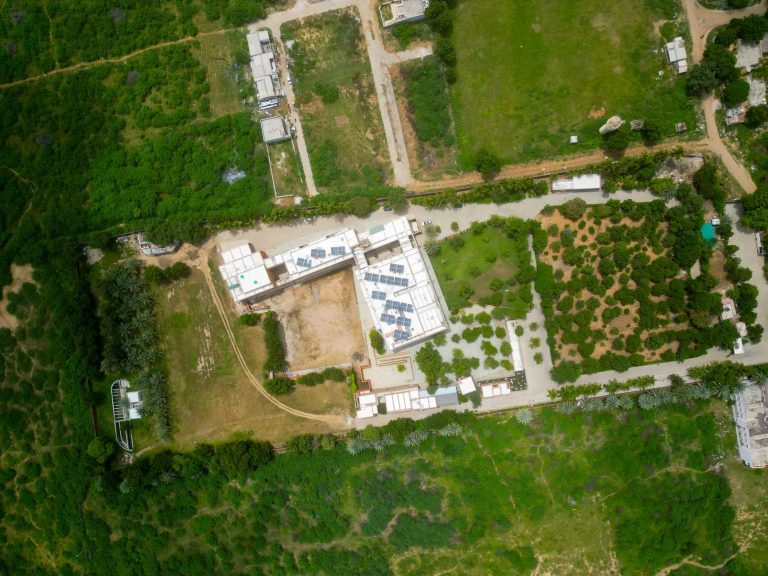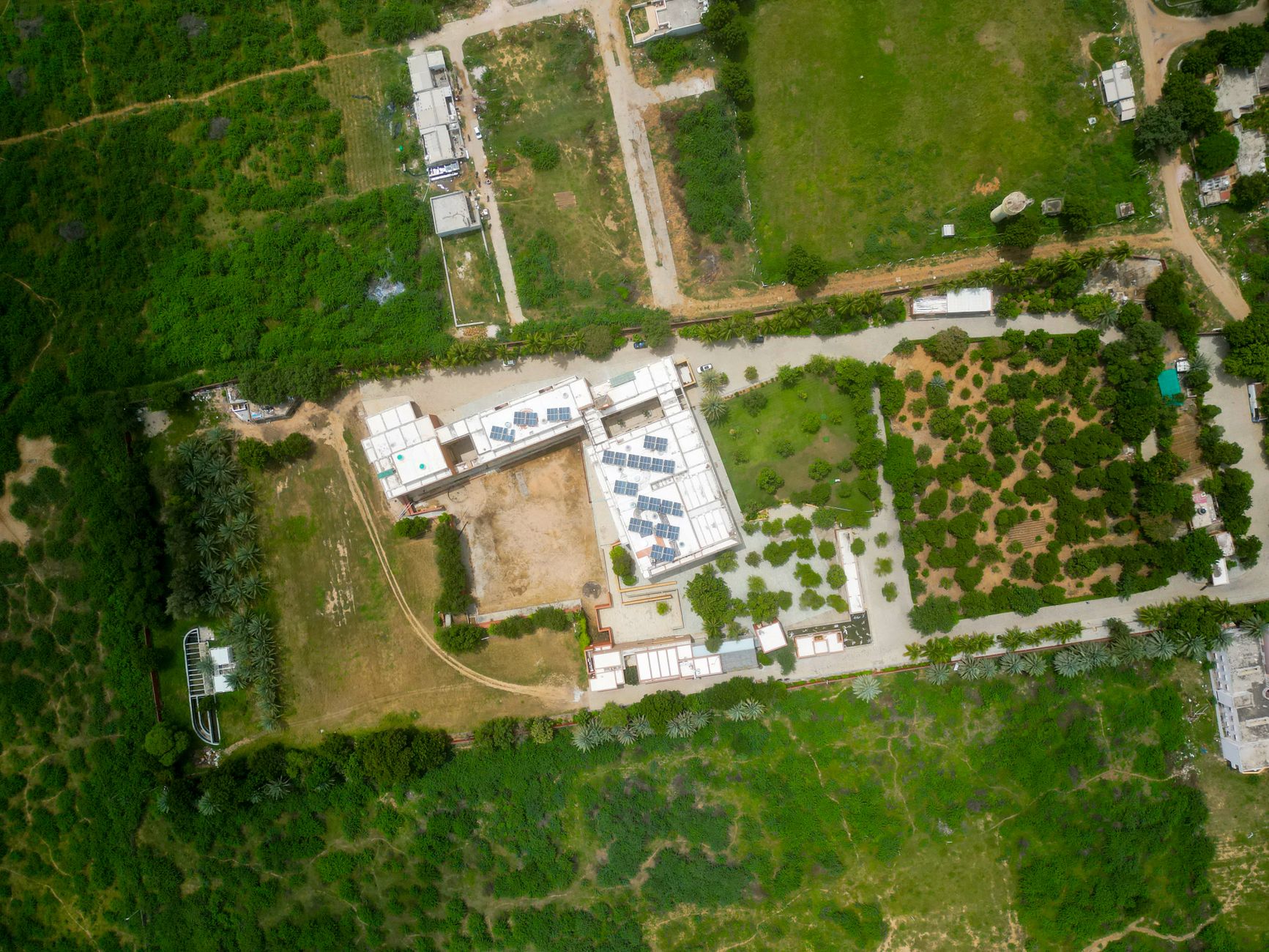
Gujarat Solar Project is set for an extension, with the SCOD now moved to February 2026. This decision aims to provide clarity regarding ISTS charge waivers.
Overview of the Gujarat Solar Project
The Gujarat Solar Project is a significant initiative aimed at harnessing renewable energy to support sustainable development in the region. With a capacity of 50 MW, this project is poised to make a substantial impact on the energy landscape in Gujarat. Recently, the Central Electricity Regulatory Commission (CERC) announced an extension of the Scheduled Commercial Operation Date (SCOD) for the project until February 2026. This extension is crucial for the developers as it allows them to benefit from a waiver of Inter-State Transmission System (ISTS) charges, which can significantly reduce operational costs.
Key features of the Gujarat Solar Project include:
- Development of clean energy sources
- Strategic alignment with national renewable energy goals
- Enhanced energy security for the region
- Job creation and economic growth opportunities
Overall, the Gujarat Solar Project represents a promising step towards a greener future.
Impact of CERC’s Decision
The recent decision by the Central Electricity Regulatory Commission (CERC) to extend the Scheduled Commercial Operation Date (SCOD) of the 50 MW Gujarat Solar Project has significant implications for stakeholders. This extension allows the project to benefit from a waiver of Interstate Transmission System (ISTS) charges, which is crucial for enhancing its financial viability.
Key impacts of CERC’s decision include:
- Increased Financial Flexibility: The waiver reduces operational costs, making the project more attractive to investors.
- Encouragement for Renewable Energy: By supporting solar initiatives like the Gujarat Solar Project, CERC is promoting sustainable energy solutions.
- Long-term Stability: The extended timeline provides developers with the necessary leeway to complete the project without the pressure of immediate deadlines.
Ultimately, this decision underscores the importance of regulatory support in advancing renewable energy projects across India.
Details on ISTS Charge Waiver
The Central Electricity Regulatory Commission (CERC) has made a significant decision regarding the Gujarat Solar Project, which plays a vital role in the region’s renewable energy landscape. The CERC announced an extension of the Scheduled Commercial Operation Date (SCOD) for the 50 MW project to February 2026. This extension is crucial for the project’s developers as it allows them to qualify for the Interstate Transmission System (ISTS) charge waiver.
The waiver is designed to encourage the development of solar energy projects and enhance the viability of renewable energy investments in Gujarat. With this decision, the CERC aims to promote clean energy initiatives while ensuring that projects like the Gujarat Solar Project can thrive without the burden of additional transmission costs.
Key points regarding the ISTS charge waiver include:
- Support for renewable energy growth
- Increased investment attractiveness
- Alignment with national energy goals
Future of Solar Energy in Gujarat
The future of solar energy in Gujarat looks promising, especially with the recent extension of the 50 MW Gujarat Solar Project. This initiative not only supports the state’s renewable energy goals but also sets a precedent for similar projects across India. The Central Electricity Regulatory Commission’s (CERC) decision to extend the Scheduled Commercial Operation Date (SCOD) provides a significant boost, ensuring that the project can capitalize on important financial incentives.
As Gujarat continues to invest in solar infrastructure, the state is poised to become a leader in sustainable energy generation. The anticipated completion of the Gujarat Solar Project will likely encourage further investments in renewable sources, demonstrating the viability of solar power as a reliable energy solution. Stakeholders are optimistic that this project will pave the way for more ambitious solar initiatives in the region.
Key Takeaways from the Extension
The recent extension granted by the Central Electricity Regulatory Commission (CERC) for the 50 MW Gujarat Solar Project has significant implications for renewable energy in the region. Here are the key takeaways:
- Extended SCOD: The Scheduled Commercial Operation Date (SCOD) has been extended to February 2026, allowing developers more time to complete the project.
- Financial Benefits: The extension facilitates access to the Inter-State Transmission System (ISTS) charge waiver, reducing overall project costs.
- Boost to Renewable Energy: This decision supports the growth of solar energy in Gujarat, aligning with national sustainability goals.
- Enhanced Investor Confidence: The move is expected to attract more investments in solar projects across the state.
The Gujarat Solar Project continues to demonstrate the potential for solar solutions to drive clean energy initiatives forward.
Photo by Synchronize Soft Tech on Pexels
Sources
Related reading
Premium Pet Care: The Best New Services from Kindred · Luxury Project Kharghar: Is It the Best Investment Opportunity? · Sports Illustrated Resorts Nashville: The Best New Hotel Experience
About the Author