New South Wales is experiencing a steady transformation in the way industrial property is planned, designed, and delivered. Growing business activity, evolving logistics, advanced technology, and stronger expectations around workplace quality are influencing the next generation of industrial estates. Hannas reflects this changing landscape through a development perspective that values quality, functionality, connectivity, and long-term usability across modern industrial environments.
Table of Contents
- Industrial Estates Are Becoming More Sophisticated
- Location Continues to Influence Industrial Value
- Modern Logistics Are Influencing Estate Design
- Quality Is Becoming a Defining Feature
- Flexibility Supports Long-Term Business Needs
- Technology Is Reshaping Industrial Environments
- Sustainability Is Adding New Value
- Employee Experience Matters More Than Ever
- NSW Offers Diverse Development Opportunities
- The Future of Premium Industrial Estates
- Conclusion
Industrial Estates Are Becoming More Sophisticated
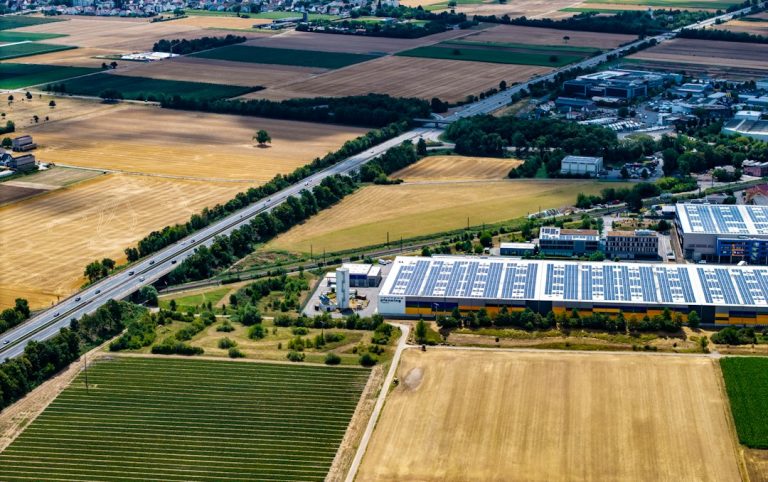
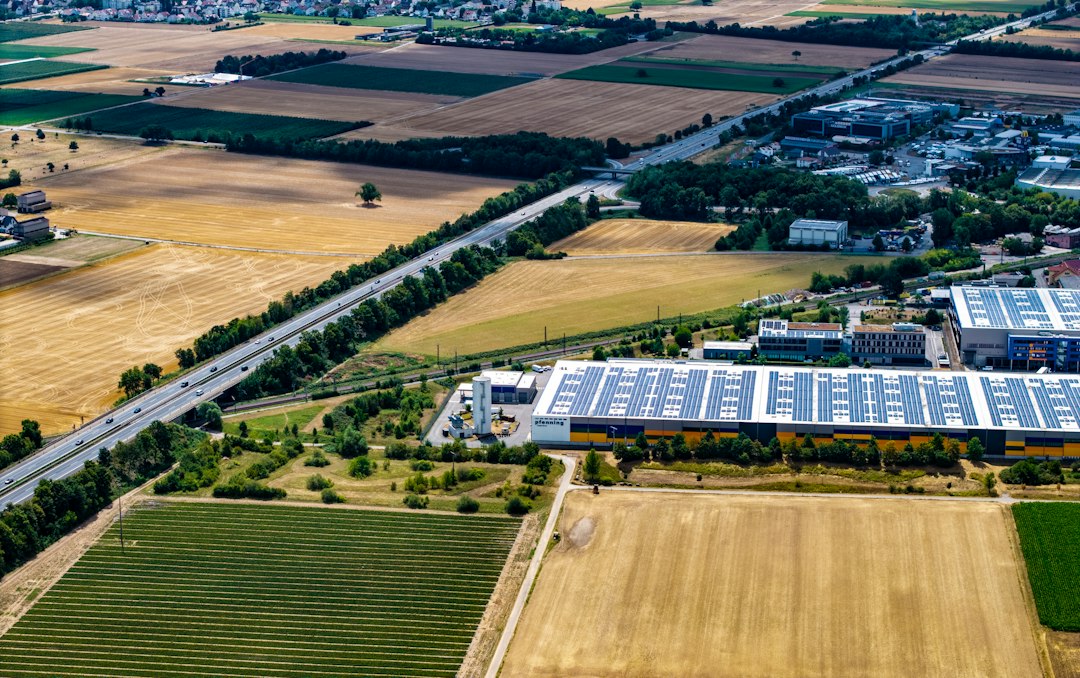
Contemporary industrial estates are increasingly planned as complete business environments rather than simple collections of warehouses. Building design, road networks, landscaping, utilities, parking, access, and shared infrastructure are considered together to create a cohesive setting.
This integrated model can provide businesses with greater operational convenience while establishing a consistent standard across an entire estate.
Location Continues to Influence Industrial Value
Strategic positioning remains one of the strongest characteristics of premium industrial property. Businesses benefit from convenient connections to major transport routes, employment areas, suppliers, customers, and established commercial centres.
Across NSW, well-connected industrial locations can provide an important foundation for efficient business operations. Accessibility also supports the long-term usefulness of an estate as surrounding communities and infrastructure continue to grow.
Modern Logistics Are Influencing Estate Design
The expansion of logistics and distribution is creating new requirements for industrial property. Businesses increasingly need efficient vehicle circulation, practical loading arrangements, suitable storage areas, and layouts that support fast movement of goods.
Premium estate planning can respond to these needs through carefully considered site configurations. Better circulation and access can help businesses use their facilities more effectively while supporting smoother day-to-day operations.
Quality Is Becoming a Defining Feature
Premium industrial property is increasingly associated with construction quality, architectural presentation, landscaping, and functional design. Businesses are looking for environments that reflect professionalism while meeting demanding operational requirements.
High-quality materials, contemporary façades, well-planned entrances, and attractive shared spaces can strengthen the identity of an industrial estate. These elements can complement rather than compete with practical business functionality.
Flexibility Supports Long-Term Business Needs
Industrial businesses can experience changes in workforce size, equipment, inventory, technology, and operating models. Properties designed with flexibility in mind can provide greater capacity to respond to these developments.
Adaptable layouts and practical infrastructure allow businesses to modify their spaces as requirements change. This can make premium industrial estates more suitable for organisations planning continued growth.
Technology Is Reshaping Industrial Environments
Technology is becoming increasingly integrated into industrial operations. Automation, digital inventory management, smart security, communications systems, and energy monitoring are influencing the infrastructure businesses require.
Modern estates can support these developments by providing technology-ready buildings and reliable supporting services. This creates environments capable of accommodating current systems while remaining prepared for future innovation.
Sustainability Is Adding New Value
Environmental considerations are becoming increasingly important across property development. Energy-efficient lighting and equipment, water management, landscaping, responsible materials, and efficient building systems can contribute to more sustainable industrial estates.
These features can also support efficient operations and create better-quality surroundings. Sustainability is therefore becoming closely connected with the overall performance and appeal of premium industrial property.
Employee Experience Matters More Than Ever
Industrial estates are workplaces, and modern development is giving greater attention to the people who use them every day. Accessible amenities, landscaping, natural light, safe circulation, parking, and comfortable staff facilities can contribute to a positive working environment.
A people-focused approach can complement operational planning and create industrial estates that feel professional, functional, and welcoming.
NSW Offers Diverse Development Opportunities
The industrial landscape across NSW includes metropolitan and regional markets, each offering different development possibilities. Established business areas can benefit from efficient land use and upgraded facilities, while growing regional locations can provide opportunities for new commercial activity.
Understanding local conditions allows developers to create projects that respond appropriately to the characteristics and future potential of each location.
The Future of Premium Industrial Estates
The next generation of industrial estates is likely to place greater emphasis on connectivity, adaptability, sustainability, technology, and design quality. Businesses will increasingly value environments that can support both immediate operational requirements and future growth.
This shift creates opportunities for developers to deliver industrial estates that combine commercial performance with high-quality design and infrastructure.
Conclusion
The industrial property landscape across NSW is evolving into a more connected, flexible, technology-ready, and design-conscious sector. Premium industrial estates are increasingly defined by the relationship between strategic location, quality construction, efficient infrastructure, sustainability, and business functionality. By responding to these changing expectations, modern industrial development can create high-performing environments that support businesses today while providing a strong foundation for continued growth across New South Wales.
At a Glance
- New South Wales is transforming its industrial property planning and delivery through a focus on quality, functionality, connectivity, and long-term usability.
- Contemporary industrial estates are now planned as cohesive business environments, integrating building design, utilities, and shared infrastructure.
- Strategic positioning remains critical in determining the value of industrial properties, with convenient access to transport routes and commercial centers being essential for business efficiency.
- Modern logistics requirements are driving the need for better vehicle circulation and practical site layouts in industrial estate designs.
- There is a growing trend toward sustainability in industrial property development, with features like energy-efficient systems and responsible materials enhancing overall estate appeal.
- The future of industrial estates is focused on adaptability and technology integration, supporting both current operations and future growth potential.
About the Author