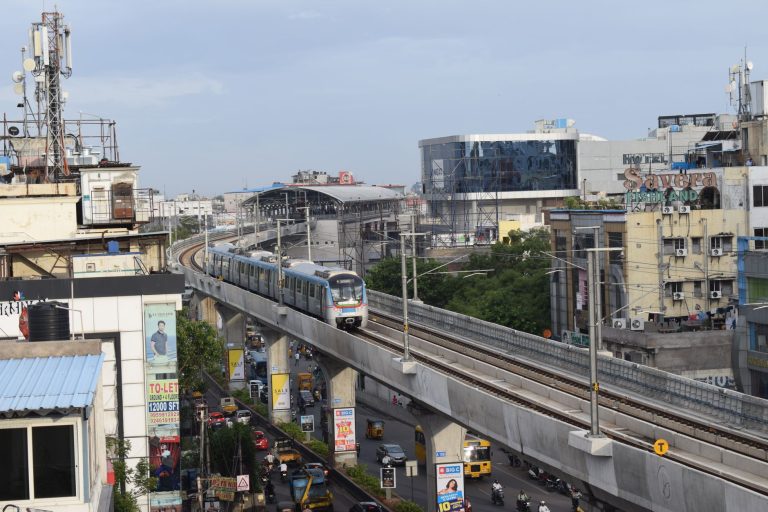
Mumbai-Ahmedabad Bullet Train project has achieved significant milestones recently, with 371 km of viaduct completed and over 9,300 OHE masts installed.
Project Overview
The Mumbai-Ahmedabad Bullet Train project is a transformative infrastructure initiative aimed at enhancing connectivity between two major economic hubs in India. Spanning approximately 508 kilometers, this high-speed rail project promises to significantly reduce travel time between Mumbai and Ahmedabad.
As of now, substantial progress has been made on the project, with 371 kilometers of viaduct completed. This key milestone marks a significant step towards the eventual operationalization of the bullet train service. In addition to the viaduct, over 9,300 Overhead Equipment (OHE) masts have been installed, which are crucial for the functioning of the high-speed train system.
The bullet train is expected to operate at speeds of up to 320 km/h, making it one of the fastest trains in the country. This will not only facilitate quicker travel but also promote economic growth in the regions along the route.
Stakeholders, including the Indian government and various construction firms, continue to work diligently to meet the project’s ambitious timelines. The successful completion of the Mumbai-Ahmedabad Bullet Train will serve as a benchmark for future high-speed rail projects across India, fostering greater connectivity and efficiency in the transportation sector.
Recent Milestones
The Mumbai-Ahmedabad Bullet Train project has reached several significant milestones in its development, marking substantial progress toward its completion. As of now, 371 kilometers of viaduct have been successfully constructed, providing a robust foundation for the high-speed rail system. This extensive infrastructure is a testament to the engineering prowess involved in the project.
Moreover, the installation of over 9,300 Overhead Equipment (OHE) masts has been achieved, which are crucial for the electrification of the train line. The OHE masts will ensure a seamless power supply to the bullet trains, allowing them to operate at their designed speeds efficiently.
- Completion of viaduct: 371 km
- OHE masts installed: Over 9,300
- Target speed: 320 km/h
- Estimated travel time: 2 hours
These accomplishments not only represent significant strides in the Mumbai-Ahmedabad Bullet Train project but also reflect the commitment to enhancing transportation infrastructure in India. The project is expected to revolutionize travel between the two cities, making commutes faster and more efficient.
Importance of the Bullet Train
The Mumbai-Ahmedabad Bullet Train project is pivotal for enhancing the transportation infrastructure of India. This high-speed rail corridor not only promises to significantly reduce travel time between two major economic hubs but also aims to boost overall connectivity in the region.
One of the primary reasons for the importance of the bullet train is its potential to facilitate faster and more efficient commuting. With speeds reaching up to 320 km/h, the bullet train is expected to cut travel time between Mumbai and Ahmedabad to just under two hours, a journey that currently takes approximately 7-8 hours by road or conventional train.
Additionally, the project is anticipated to have a profound impact on local economies. The improved connectivity is likely to encourage business interactions, tourism, and trade, making both cities more accessible. Furthermore, the Mumbai-Ahmedabad Bullet Train is expected to create thousands of jobs during the construction phase and beyond, contributing to economic growth.
Moreover, the introduction of this high-speed rail system aligns with India’s vision for sustainable transport, promoting a shift from road to rail, thereby reducing traffic congestion and lowering carbon emissions. In essence, the bullet train represents a transformative step towards modernizing India’s transportation landscape.
Challenges Faced
The Mumbai-Ahmedabad Bullet Train project, while groundbreaking, has faced several significant challenges throughout its development. Addressing these hurdles is essential to maintaining momentum and ensuring the timely completion of this ambitious infrastructure initiative.
One of the primary challenges has been the acquisition of land. Despite efforts to streamline the process, negotiations with landowners and local residents have often led to delays. The project requires extensive land use, and resistance from affected communities has complicated these negotiations.
Additionally, environmental concerns have surfaced, with activists voicing their worries about the impact on local ecosystems and wildlife. The need for thorough environmental assessments has caused further slowdowns in the project’s timeline.
Moreover, the ongoing COVID-19 pandemic has disrupted construction schedules and supply chains, exacerbating existing delays. Labor shortages and restrictions have hindered progress, requiring project managers to adapt to evolving circumstances.
Lastly, financing has been a concern, as budgets must be carefully managed to avoid overruns. To address these issues, stakeholders are actively working to implement solutions that will mitigate risks and keep the Mumbai-Ahmedabad Bullet Train project on track.
Future Prospects
The future prospects of the Mumbai-Ahmedabad Bullet Train project are looking promising as construction progresses rapidly. With 371 kilometers of viaduct completed and over 9,300 overhead electrification (OHE) masts installed, the project is on track to revolutionize travel between these two major cities.
Experts anticipate that once operational, the bullet train will significantly reduce travel time, making it possible to cover the distance in under two hours. This efficiency is expected to attract more passengers and stimulate economic growth in the region.
Moreover, the project is expected to set a benchmark for future high-speed rail initiatives across India. As more states express interest in developing similar infrastructure, the success of the Mumbai-Ahmedabad Bullet Train could pave the way for a national high-speed rail network.
In addition to enhancing connectivity, the bullet train is projected to positively impact job creation, with numerous employment opportunities arising during and after construction. Local businesses may also see a boost as increased foot traffic from commuters stimulates demand.
Overall, the future of the Mumbai-Ahmedabad Bullet Train is bright, and its successful completion could mark a significant step forward in India’s transportation landscape.
Community Impact
The Mumbai-Ahmedabad Bullet Train project is set to transform the way communities interact and thrive along the corridor. The introduction of this high-speed rail network will not only enhance connectivity but also stimulate economic growth in the regions it serves.
Local businesses are expected to benefit significantly from the increased foot traffic and accessibility that the bullet train will provide. Residents will enjoy shorter travel times, fostering greater opportunities for employment and education across cities. Additionally, the project aims to minimize road congestion, thereby improving air quality and reducing travel-related stress for commuters.
However, the impact extends beyond just economic benefits. The Mumbai-Ahmedabad Bullet Train project is also focused on community engagement. Initiatives have been launched to ensure that local voices are heard during the construction phase, addressing concerns related to land acquisition and environmental sustainability.
Furthermore, the project includes the development of new infrastructure, such as stations and amenities, which are designed to cater to the needs of local residents and travelers alike. As the project progresses, stakeholders remain committed to creating a positive legacy that will benefit both current and future generations.
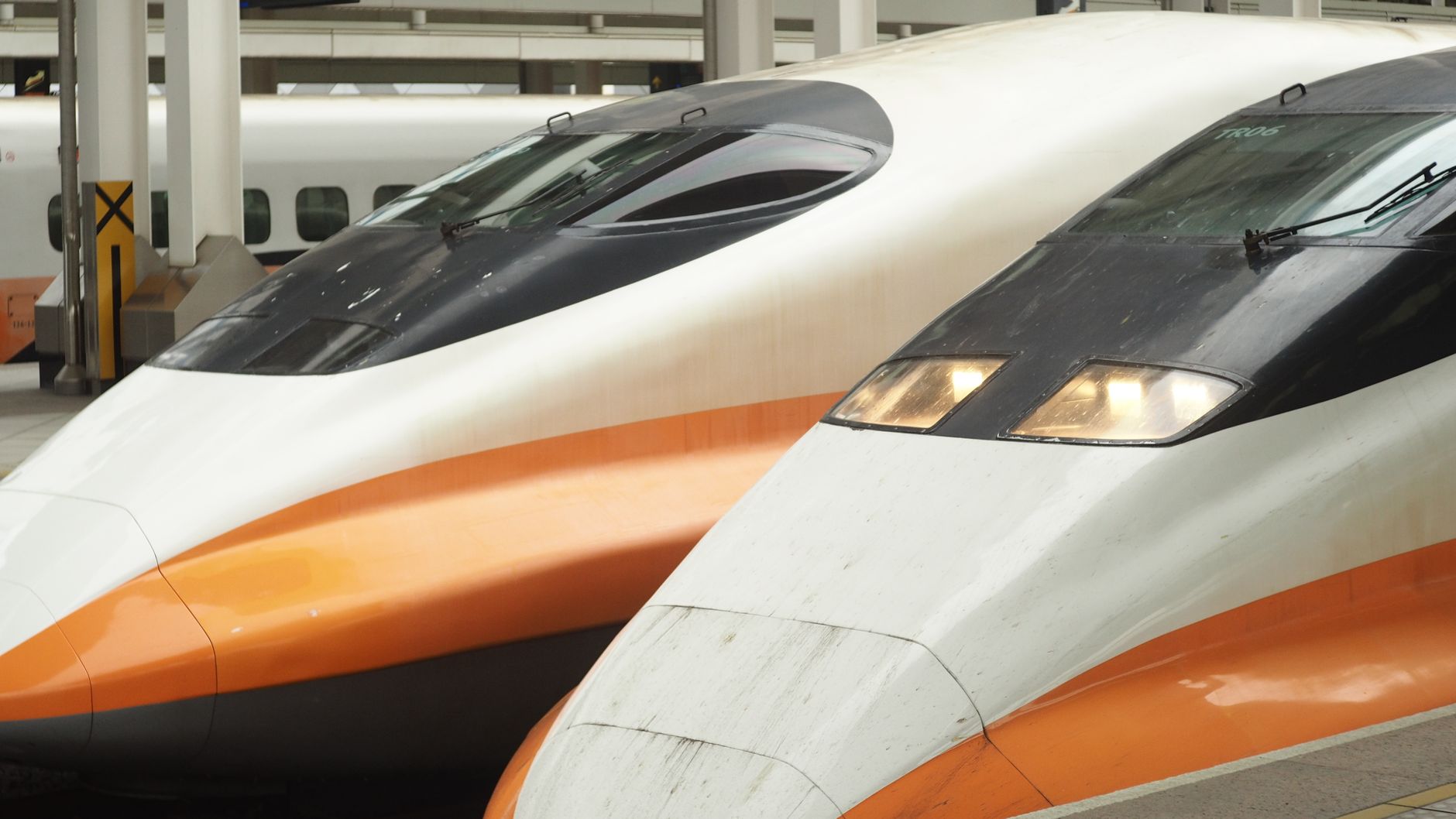
Photo by mingche lee on Pexels
Read the original
Swarajya · Mumbai-Ahmedabad bullet train
Related reading
Bigyan Parija Appointment: Proven Leadership at EnerGrid · Protecting Business Spaces: The Essential Guide to Commercial Pest Control Palm Beach · Are Commercial Property Sales Worth the Proven Recovery?
About the Author