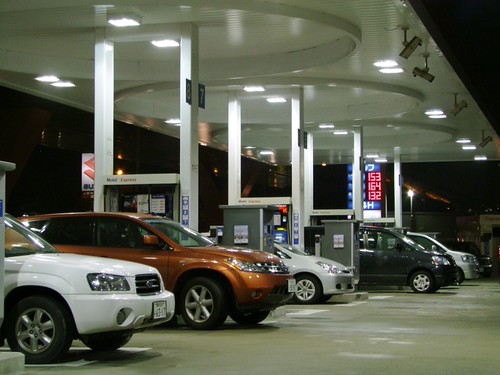
gasoline prices rise in Quezon City, causing concern among residents and commuters. This increase impacts daily expenses and transportation choices.
Understanding the Current Gasoline Price Trends
The recent surge in gasoline prices has left many residents of Quezon City grappling with its financial implications. As global oil prices continue to fluctuate, local consumers are feeling the impact at the pump, leading to significant concerns about their daily expenses.
According to recent data, gasoline prices rise have been attributed to several factors, including:
- Global Supply Chain Disruptions: Ongoing geopolitical tensions and natural disasters have affected oil production and distribution.
- Increased Demand: With the easing of pandemic restrictions, the demand for fuel has surged, further driving up prices.
- Currency Fluctuations: The weakening of the local currency against the US dollar has made imports more expensive.
Residents are reporting that the rise in gasoline prices is not just affecting their transportation costs but is also leading to higher prices for goods and services. Many are now forced to adjust their budgets, prioritizing essential spending over leisure activities.
As the situation evolves, Quezon City residents continue to seek ways to cope with the economic pressures brought on by rising fuel costs.
Effects on Commuters and Daily Life
The recent rise in gasoline prices has significantly affected the daily lives of Quezon City residents, particularly commuters who rely heavily on public transportation. With costs escalating, many are feeling the financial strain as they navigate their daily routines.
Public transport fares have seen an increase, leading many to reconsider their commuting options. The following are some of the notable effects on commuters:
- Increased Transportation Costs: Many commuters now spend a larger portion of their income on transportation, which can impact their overall budget.
- Shift to Alternative Modes of Transport: Some residents are opting for bicycles or walking to save money, indicating a shift in commuting habits.
- Longer Travel Times: With higher fares, some are choosing to travel less frequently, leading to crowded public transport during peak hours.
- Concerns Over Safety: As some residents turn to less conventional modes of transport, there are rising concerns regarding safety and infrastructure.
As gasoline prices rise, the ripple effects on daily life become increasingly evident, prompting residents to adapt to the changing economic landscape.
Real Estate Market Response
The recent rise in gasoline prices is beginning to have a notable impact on the real estate market in Quezon City. As residents grapple with increased transportation costs, potential homebuyers are reassessing their priorities and preferences.
Many are now prioritizing properties that are closer to their workplaces and essential services. The demand for homes in transit-oriented developments has surged, as people seek to minimize their reliance on personal vehicles. This shift is prompting real estate developers to adapt their strategies, focusing on projects that offer convenient access to public transportation.
- Increased Demand for Rentals: With commuting becoming more expensive, more individuals are choosing to rent near their places of work, causing rental prices to rise.
- Investment in Affordable Housing: Developers are now considering more budget-friendly housing options to cater to those affected by the gasoline prices rise.
- Long-Term Implications: The sustained increase in fuel costs may lead to a permanent shift in housing preferences, with an emphasis on sustainability and accessibility.
Ultimately, as gasoline prices continue to rise, the ripple effects on the real estate market could reshape the landscape of Quezon City for years to come.
Tips for Budgeting Amid Rising Prices
As gasoline prices rise, residents of Quezon City are feeling the financial pinch more than ever. To navigate these challenging times, effective budgeting is crucial. Here are some practical tips to help manage expenses:
- Track Your Spending: Keep a detailed record of your daily expenses to identify areas where you can cut back.
- Utilize Public Transportation: Consider using public transport instead of driving to save on gasoline costs.
- Carpooling: Sharing rides with neighbors or coworkers can significantly reduce fuel expenses.
- Plan Errands Efficiently: Combine errands into one trip to minimize the amount of driving required.
- Explore Local Alternatives: Look for local stores and services to avoid unnecessary travel to distant locations.
- Set a Gasoline Budget: Allocate a specific amount of your monthly budget for gasoline and stick to it.
- Stay Informed: Regularly check fuel prices and consider filling up when prices dip to save money in the long run.
By implementing these budgeting strategies, Quezon City residents can mitigate the impact of rising gasoline prices and maintain their financial stability.
Government Measures to Address Fuel Costs
As gasoline prices rise, the government of the Philippines has initiated several measures to alleviate the financial burden on residents of Quezon City. These initiatives aim to provide immediate relief to those most affected by increasing fuel costs.
Among the key strategies being implemented are:
- Cash Assistance Programs: The government has proposed targeted cash transfers to low-income households to help them cope with rising gasoline prices.
- Public Transportation Subsidies: To encourage the use of public transport and reduce reliance on personal vehicles, subsidies for jeepneys and buses are being considered.
- Fuel Price Monitoring: Enhanced price monitoring mechanisms are being introduced to ensure transparency and prevent price gouging at gas stations.
- Alternative Energy Promotion: Initiatives to promote electric vehicles and alternative fuel sources are being accelerated to reduce dependency on traditional gasoline.
Officials emphasize that these measures are crucial not only for immediate relief but also for long-term sustainability in response to the ongoing trend of rising gasoline prices. The hope is that by implementing these strategies, residents can better manage their expenses and adapt to the fluctuating fuel market.
Future Predictions for Gas Prices
As gasoline prices rise, experts predict that the trend will continue in the coming months, primarily due to geopolitical tensions and fluctuating crude oil prices. Analysts forecast that prices may increase by an additional 10-15% over the next quarter, making it even more crucial for residents to adapt to the changing economic landscape.
The effects of rising gasoline prices on Quezon City residents are expected to be profound. With transportation costs becoming a larger portion of household budgets, many may reconsider their commuting options. Public transportation systems will likely see an uptick in ridership as individuals seek to offset their fuel expenses.
Furthermore, industries reliant on transportation, such as logistics and delivery services, may face increased operational costs, potentially leading to higher prices for goods and services. Consumers are likely to feel the pinch in their wallets as companies pass these costs onto customers.
In response to these challenges, residents are encouraged to explore alternatives such as carpooling or utilizing more fuel-efficient vehicles. Community initiatives may also emerge to promote sustainable transportation methods, helping to mitigate the financial strain caused by soaring gasoline prices.
Ultimately, the future of gasoline prices remains uncertain, but proactive measures and community support will be essential for navigating these challenging times.
Community Reactions and Concerns
As gasoline prices rise in Quezon City, residents have expressed a mix of frustration and concern regarding the implications for their daily lives. Many have taken to social media to voice their opinions, highlighting how the increased fuel costs are straining their household budgets.
Local business owners are particularly worried about the impact on their operations. One small café owner noted, “We’re already facing higher expenses, and now with gasoline prices rising, it feels like we’re being squeezed from all sides.” This sentiment is echoed by many in the community who rely on transportation for work and errands.
In response to these challenges, several community organizations have begun to mobilize support for those most affected. “We’re working on initiatives to help families cope with rising costs, including carpool programs and community rideshares,” stated a local activist.
Residents are also voicing concerns about the broader economic impact. “If gasoline prices keep rising, we may start seeing higher prices on everything from groceries to services,” warned a local economist. This growing anxiety underscores the interconnectedness of fuel costs and the overall financial health of the community.
As the situation evolves, many in Quezon City are left to navigate the challenges posed by fluctuating gasoline prices and their ripple effects on everyday life.
As gasoline prices rise, many residents in Quezon City are feeling the pinch on their daily budgets. The increase in gasoline prices rise has led to higher transportation costs and a subsequent rise in the prices of goods and services.
By midorisyu via Openverse
Where this came from
You might also like
Is the Pune Metro Pink Line the Best Urban Transport Solution? · Samsung smart glasses: The Best Proven Features Revealed · Housing Projects Fund: DivyaSree and HDFC Capital’s Smart Move
About the Author