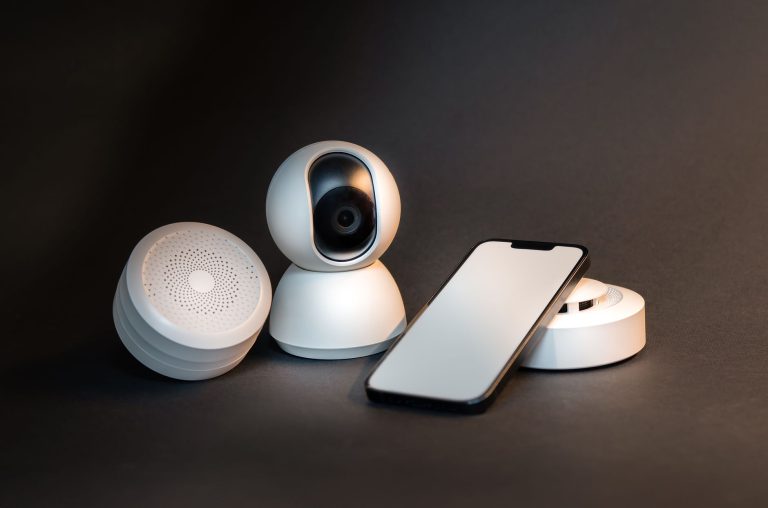
The Apple smart-home hub is set to launch on October 13, bringing exciting new features to enhance your home automation experience.
What is the Apple Smart-Home Hub?
The Apple smart-home hub is designed to seamlessly integrate various smart devices within a household, allowing users to control lighting, security systems, and appliances from a single interface. By connecting with other Apple products, such as iPhones and iPads, the hub enhances user experience through simplicity and efficiency.
With its launch, Apple aims to establish a more cohesive ecosystem for smart home technology. This hub is expected to support a range of third-party devices, enabling users to manage their home environment effortlessly. Key features include:
- Voice Control: Utilizing Siri, users can operate devices with simple voice commands, making it easy to adjust settings without needing to navigate through apps.
- Automation: Users can set up routines to automate tasks, such as turning off lights and locking doors at a specific time or triggering devices based on location.
- Enhanced Security: The hub allows for the integration of security cameras and alarms, providing users with real-time alerts and remote monitoring capabilities.
- User-Friendly Interface: The Apple smart-home hub offers a sleek and intuitive interface, making it accessible for all users, regardless of tech-savviness.
Overall, the Apple smart-home hub represents a significant step forward in creating a unified smart home experience, promising greater convenience and control for users.
Features of the New HomePod Mini
The new HomePod Mini, positioned as an integral part of the Apple smart-home hub ecosystem, boasts an array of impressive features designed to enhance user experience and connectivity.
One of the standout attributes is its compact design. The HomePod Mini is small enough to fit in any room, making it versatile for various settings, from kitchens to living rooms. Additionally, its clean aesthetic aligns perfectly with Apple’s signature style, ensuring it complements any home decor.
Audio quality is another remarkable feature. Despite its size, the HomePod Mini delivers rich, immersive sound, thanks to advanced computational audio technology. Users can enjoy music, podcasts, and audiobooks with exceptional clarity and depth.
Furthermore, the device integrates seamlessly with other smart home products, allowing users to control their home environment effortlessly. Through the Home app, users can manage lights, thermostats, and security systems, making the HomePod Mini a crucial component of the Apple smart-home hub.
Voice control is enhanced with Siri, which responds accurately to requests, offering hands-free convenience. Users can ask Siri to play music, set reminders, or provide updates on the weather, all while managing their smart home devices.
With these features, the HomePod Mini solidifies its position as a leading contender in the smart home market.
How Does Apple TV Fit In?
The upcoming release of the Apple Smart-Home Hub has sparked interest in how it integrates with existing Apple devices, particularly the Apple TV. As a central part of Apple’s ecosystem, the Apple TV is poised to play a critical role in managing smart-home devices.
Apple TV’s capability to act as a hub for HomeKit accessories allows users to control their smart devices seamlessly. With the introduction of the new Apple Smart-Home Hub, this functionality is expected to enhance significantly. Here are some key ways the Apple TV fits into this new landscape:
- Streamlined Control: Users can manage all their smart-home devices directly from the Apple TV interface, creating a cohesive experience.
- Enhanced Siri Integration: The built-in Siri functionality makes it easy to issue voice commands for controlling lights, thermostats, and other HomeKit-compatible devices.
- Multi-Room Audio: With the new HomePod Mini, users can enjoy synchronized audio throughout their homes, further enhancing the smart-home experience.
- Remote Access: The Apple TV enables remote control of smart devices when away from home, ensuring users can monitor and manage their environments at all times.
As Apple continues to refine its smart-home strategy, the Apple TV’s role in conjunction with the Apple Smart-Home Hub will likely be pivotal in creating a user-friendly and efficient smart-home ecosystem.
Why Choose Apple’s Smart Home Devices?
The Apple smart-home hub stands out in a crowded market due to its seamless integration with the Apple ecosystem, making it an attractive choice for users already aligned with Apple products. Here are several reasons why consumers might opt for Apple’s smart home devices:
- User-Friendly Interface: Apple is renowned for its intuitive design, and its smart-home devices are no exception. The setup process is straightforward, allowing users to easily manage their devices through the Home app.
- Enhanced Security: Privacy and security are major concerns in the smart-home landscape. Apple’s commitment to user privacy ensures that data shared between devices is encrypted, providing peace of mind to users.
- Reliable Performance: Apple’s smart-home hub is built to work seamlessly with other Apple devices, providing a stable and responsive experience that enhances daily routines.
- Wide Compatibility: The Apple smart-home hub supports a variety of third-party devices, giving users the flexibility to mix and match products according to their preferences.
- Regular Updates: Apple frequently updates its software, ensuring that users benefit from the latest features and security enhancements.
In summary, for those entrenched in the Apple ecosystem or looking to build a comprehensive smart home, the Apple smart-home hub offers a compelling solution that prioritizes usability, security, and compatibility.
Release Date and Expectations
Apple’s highly anticipated smart-home hub is set to launch on October 13, alongside the new HomePod Mini and an updated Apple TV. This release marks a significant step for Apple as it seeks to solidify its presence in the smart home market, competing with established players like Amazon and Google.
With the announcement generating considerable excitement, many tech enthusiasts are eager to see how well the Apple smart-home hub integrates with existing devices and ecosystems. Apple has a reputation for its seamless user experience, and consumers are expecting a product that not only enhances convenience but also provides enhanced security features. The integration with the Apple ecosystem—iPhones, iPads, and Macs—promises to make the smart-home hub an attractive option for current Apple users.
As the release date approaches, industry analysts are closely monitoring consumer expectations. Some key points of interest include:
- How the smart-home hub will interact with third-party devices.
- The quality of voice recognition technology for Siri in a home environment.
- Innovative features that differentiate it from existing smart home solutions.
Overall, the Apple smart-home hub is positioned to be a game-changer in the industry, but only time will tell if it lives up to the high expectations set by Apple enthusiasts and tech critics alike.
Sources
Related reading
Oppo F35 Pro 5G: The Best Smart Phone with Proven Features · SL-1 Smart Band: The Best Next-Gen Wearable for Health · Scandinavian brand platform: Best Proven Strategy for Hotels
About the Author