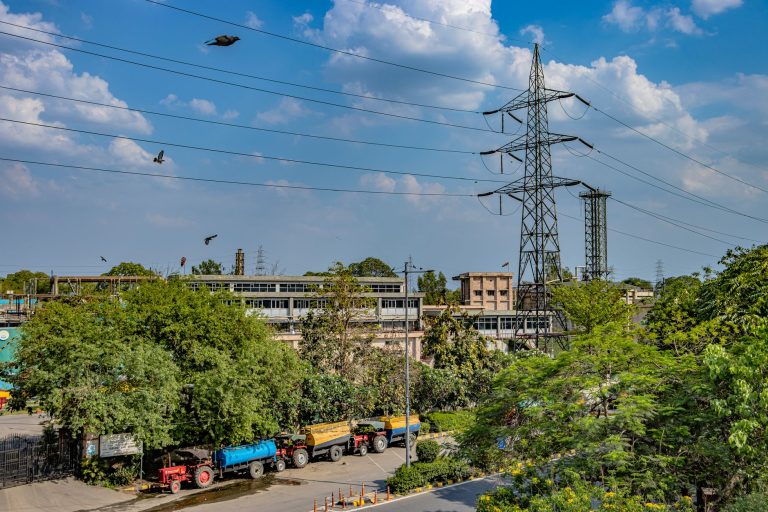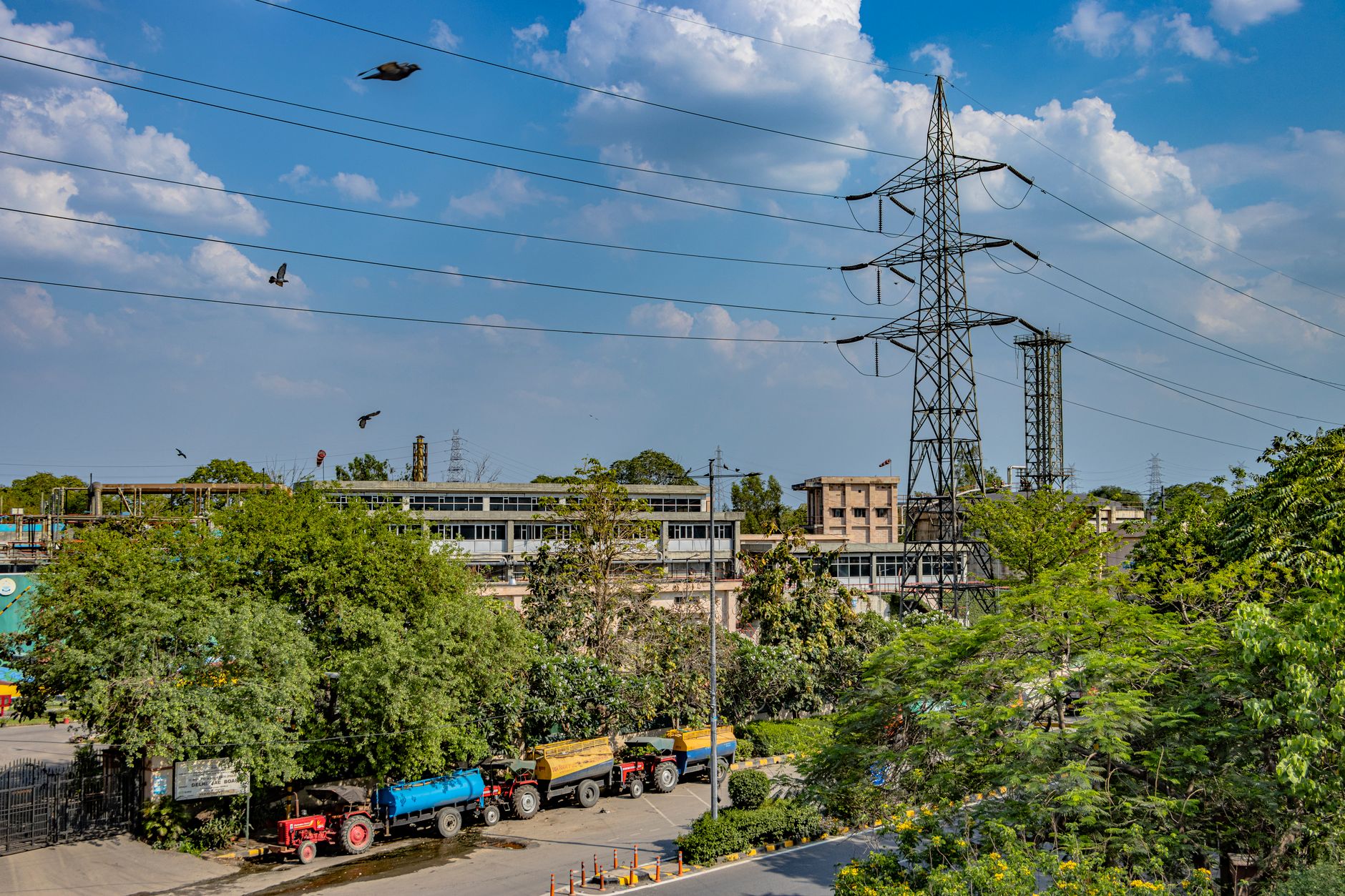
Ghazipur WTE plant has received tariff approval from DERC, paving the way for its completion within 18 months. This significant milestone enhances the project’s viability and impact.
Overview of the Ghazipur WTE Plant
The Ghazipur WTE plant is a significant initiative aimed at addressing waste management and generating energy from municipal solid waste. Recently, the Delhi Electricity Regulatory Commission (DERC) granted a smart tariff approval, which is expected to accelerate the project’s timeline.
This development has been welcomed by local authorities and environmental advocates alike, as it promises to enhance waste processing capabilities in the region.
Key features of the Ghazipur WTE plant include:
- Energy Generation: The facility is designed to convert waste into renewable energy.
- Environmental Impact: It aims to reduce landfill waste and lower greenhouse gas emissions.
- Community Benefits: The project is anticipated to create job opportunities and improve local infrastructure.
With the approval in place, the project is set to be completed within 18 months, marking a crucial step towards sustainable waste management in Delhi.
Importance of Tariff Approval
The approval of a smart tariff for the Ghazipur WTE plant is a significant milestone that ensures the project’s timely completion. The Delhi Electricity Regulatory Commission (DERC) has recognized the necessity of a sustainable waste-to-energy solution, paving the way for efficient financial planning and resource allocation.
This tariff approval is crucial for several reasons:
- Financial Viability: It secures funding and investment needed for the construction and operation of the plant.
- Encouragement for Renewable Energy: The Ghazipur WTE plant will contribute to Delhi’s green energy goals while addressing waste management issues.
- Enhanced Public Confidence: With a clear tariff structure, stakeholders can trust in the project’s feasibility and effectiveness.
Overall, the smart tariff approval is a pivotal step that strengthens the viability of the Ghazipur WTE plant and its anticipated benefits for the community.
Timeline for Project Completion
The approval of the smart tariff for the Ghazipur WTE plant has significantly accelerated its project timeline. With the recent endorsement from the Delhi Electricity Regulatory Commission (DERC), stakeholders are optimistic about the completion of the facility within the next 18 months. This timeline is crucial, as it aligns with the city’s growing waste management needs and energy demands.
Key milestones in the project include:
- Site Preparation: Initial groundwork is expected to begin within the next month.
- Construction Phase: Major construction activities are slated to start shortly after site preparation.
- Operational Testing: Final testing and adjustments will take place before the official launch.
By adhering to this timeline, the Ghazipur WTE plant aims to become a vital contributor to sustainable energy in the region.
Impact on Local Environment
The approval of the smart tariff for the Ghazipur WTE plant is expected to have a significant positive impact on the local environment. This project aims to enhance waste management practices by converting municipal solid waste into energy, thereby reducing landfill dependency.
Residents can anticipate several benefits, including:
- Improved Air Quality: The plant will employ advanced technologies to minimize emissions, contributing to cleaner air.
- Reduction of Waste: By processing large quantities of waste, the Ghazipur WTE plant will help mitigate the environmental hazards associated with overflowing landfills.
- Energy Generation: The project will produce renewable energy, promoting sustainability within the community.
Overall, the Ghazipur WTE plant is poised to play a crucial role in fostering a healthier and more sustainable environment for local residents.
Future of Waste to Energy in India
The future of waste-to-energy (WTE) projects in India appears promising, especially with the recent developments surrounding the Ghazipur WTE plant. As urban centers grapple with increasing waste generation, the need for sustainable waste management solutions becomes imperative. The approval of a smart tariff by the Delhi Electricity Regulatory Commission (DERC) for the Ghazipur plant marks a significant step forward in enhancing the viability and efficiency of such initiatives.
With the Ghazipur WTE plant expected to be completed within 18 months, it sets a precedent for other cities aiming to adopt similar technologies. The success of this project could encourage investments and innovations in the waste management sector, potentially leading to a shift in how India approaches its waste crisis. As the country progresses towards a greener future, WTE plants could play a crucial role in transforming waste into a valuable resource.
Government Support for Infrastructure Projects
The Ghazipur WTE plant has received significant backing from the government, reflecting an enhanced commitment to infrastructure projects across the region. This support is crucial for the timely execution of the initiative, especially following the recent tariff approval from the Delhi Electricity Regulatory Commission (DERC).
Such governmental endorsement not only facilitates funding but also streamlines processes that might otherwise delay development. The Ghazipur WTE plant is poised to transform waste management practices by converting waste into energy, aligning with national sustainability goals.
Moreover, the collaboration between state agencies and private stakeholders underscores a growing trend towards public-private partnerships in infrastructure. Key benefits of this support include:
- Faster project approvals
- Increased investment
- Enhanced technological advancements
Overall, government backing is a vital component in ensuring the project’s success.
Photo by Shantum Singh on Pexels
Read the original
Related stories
Dyson Hot Cool fan heater: Best proven appliance launch · Is the Smart Charger from TORRAS a Worthy Investment? · Norfolk postcodes property prices: Best Proven Areas
About the Author