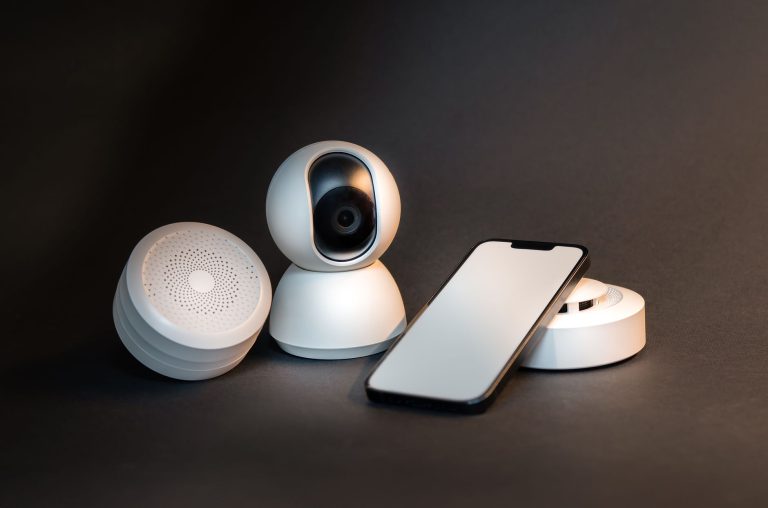
Apple HomePod launch news has recently surfaced, highlighting the introduction of a new model with a display alongside other exciting options. This development promises to enhance the smart home experience.
Overview of the Apple HomePod launch
The recent Apple HomePod launch has generated significant excitement among tech enthusiasts and consumers alike. With the introduction of the new model, Apple aims to solidify its position in the smart home market, offering features that cater to a wide range of user needs.
According to leaks that surfaced prior to the official announcement, the new HomePod will come equipped with an integrated display, which sets it apart from its predecessors. This addition is expected to enhance user interaction and provide a more immersive experience for various applications, from smart home control to entertainment.
Key features of the Apple HomePod include:
- High-quality audio performance: Designed to deliver superior sound, the HomePod is expected to feature advanced audio technology.
- Smart home integration: Seamless connectivity with other Apple devices and smart home products is a major highlight.
- User-friendly interface: The display will likely allow for easier navigation and control of functions, making it more accessible to all users.
As the Apple HomePod launch approaches, anticipation continues to build, with many eager to see how these upgrades will impact the smart display market and Apple’s overall ecosystem.
New features of the HomePod with display
With the Apple HomePod launch, users can expect a range of innovative features that enhance its functionality as a smart display. This new iteration builds on the proven capabilities of previous models while introducing exciting advancements.
One of the standout features of the HomePod with display is its high-resolution touchscreen, allowing users to easily navigate through applications, control smart home devices, and interact with various multimedia content. The display also enables video calls, making it a versatile addition to any living space.
In addition to the display, the HomePod incorporates advanced voice recognition technology, ensuring seamless interaction with Siri. Users can request information, play music, or control their home environment with simple voice commands.
Moreover, the HomePod now supports multi-user functionality, allowing personalized responses based on individual voices. This makes it an ideal solution for families, as everyone can access their tailored content and preferences.
Furthermore, with enhanced integration with other Apple devices, the HomePod serves as a central hub for managing smart home ecosystems. The combination of these features positions the HomePod with display as a leading choice in the competitive market of smart displays, setting a new standard following the Apple HomePod launch.
Comparison with other smart home devices
The launch of the Apple HomePod has generated significant interest, particularly when compared to other smart home devices currently available on the market. As the Apple HomePod launch unfolds, many consumers are evaluating its features against competitors like Amazon Echo Show and Google Nest Hub.
When considering the smart display category, several aspects stand out:
- Sound Quality: The Apple HomePod is renowned for its superior audio performance, leveraging advanced spatial awareness technology to adapt to its environment, a feature that sets it apart from the Amazon Echo Show.
- Integration with Apple Ecosystem: Users deeply embedded in the Apple ecosystem will appreciate the seamless integration of the HomePod with iOS devices, unlike the Google Nest Hub, which favors Android users.
- Smart Home Control: Each device offers unique smart home control capabilities. The HomePod’s focus on privacy and security adds a layer of trust, which is becoming increasingly important for consumers.
- Visual Display: While the HomePod’s display is an exciting addition, it’s essential to compare how effectively it provides information and interacts with users compared to its rivals.
As the Apple HomePod launch approaches, these comparisons will help consumers make informed decisions based on their personal preferences and requirements.
Market impact of Apple’s latest release
The recent Apple HomePod launch has generated significant buzz in the tech community, impacting the smart home market in various ways. Analysts believe this release could reshape consumer expectations for smart displays, as Apple’s entry typically elevates competition and innovation across the industry.
One of the most notable effects is the immediate response from competitors. Companies like Google and Amazon are likely to reassess their product features and pricing strategies to maintain market share. As Apple introduces its proven features, such as seamless integration with other devices and enhanced audio quality, rival brands may find themselves under pressure to innovate more rapidly.
Moreover, consumer interest is expected to surge as the Apple HomePod with display combines functionality with aesthetic appeal. The emphasis on design aligns with Apple’s brand identity, which could draw in not only tech enthusiasts but also casual consumers looking to enhance their home environments.
In addition, the HomePod’s sophisticated AI capabilities are set to redefine user interactions. The potential for improved voice recognition and home automation features is particularly promising, as it may lead to a more intuitive user experience compared to existing models.
Overall, the market impact of the Apple HomePod launch could resonate well beyond its initial sales figures, influencing industry trends for years to come.
Where this came from
Related stories
- Is the Coastal Resilience Project Worth the Investment?
- Nintendo Switch 2 News: Is This the Best Launch Ever?
- High-Rise Residential Project: Smart Spaces’ Proven Success in Bengaluru
About the Author