construction costs Pakistan are significantly affected as oil prices cross $104, leading to rising concerns among stakeholders in the real estate sector.
Impact of Oil Prices on Construction Costs
The recent surge in global oil prices, which have crossed $104 per barrel, has raised significant concerns about the rising construction costs in Pakistan. As oil is a crucial component in various construction materials and transportation, its increase directly impacts the overall expenses associated with construction projects.
Several factors contribute to this trend:
- Increased transportation costs: Higher oil prices lead to elevated fuel costs, which in turn raise the prices of transporting construction materials.
- Material costs: Many construction materials, such as asphalt and concrete, derive their prices from oil. Rising oil prices can cause these materials to become more expensive.
- Labor costs: As transportation becomes pricier, the cost of labor may also rise, as workers spend more on commuting.
- Inflationary pressure: The overall economic impact of rising oil prices can trigger inflation, further escalating construction costs.
As a result, stakeholders in the construction industry must brace for tighter budgets and extended timelines on projects due to the cascading effects of these rising oil prices.
Current Trends in Pakistan’s Real Estate
The real estate sector in Pakistan is currently facing significant challenges due to fluctuating oil prices. As oil prices cross the $104 mark, the ripple effect on construction costs in Pakistan is becoming increasingly evident. Developers and investors are concerned about the sustainability of ongoing and future projects as costs continue to rise.
Several trends can be observed in the current real estate landscape:
- Increased Material Costs: The surge in oil prices has led to higher transportation and production costs for construction materials, further straining budgets.
- Delayed Projects: Many construction projects are facing delays as developers reassess their financial strategies in response to rising expenses.
- Shift in Demand: Buyers are becoming more cautious, leading to a slowdown in property sales, particularly in high-end markets.
- Investment Hesitation: Investors are re-evaluating their commitments, which could lead to reduced funding for new projects in the near future.
As construction costs in Pakistan continue to escalate, stakeholders are urging the government to implement measures to stabilize the industry and mitigate the impact of rising oil prices.
Economic Factors Affecting Construction
The construction industry in Pakistan is facing numerous economic challenges that are exacerbating the effects of rising oil prices. As oil prices cross $104, several factors are contributing to increased construction costs in Pakistan, which directly impact project budgets and timelines.
One significant factor is the fluctuation in material costs. Key construction materials such as cement, steel, and aggregates have seen price hikes, largely attributed to the increased transportation costs fueled by higher oil prices. This trend is making it difficult for construction companies to maintain profit margins.
Additionally, inflation plays a critical role in shaping the construction landscape. With the cost of living rising, labor charges have also increased, adding further strain on project financing. Contractors are often forced to increase bids to cover these unexpected expenses, which can lead to project delays and cancellations.
Moreover, government policies and regulatory changes can affect the availability and pricing of essential resources. To combat these issues, stakeholders must stay informed about market conditions and adapt strategies accordingly.
- Fluctuating material costs
- Rising labor charges
- Government policy impacts
Strategies to Mitigate Rising Costs
As construction costs in Pakistan continue to rise due to escalating oil prices, industry experts suggest several strategies to mitigate these financial pressures.
- Emphasize Local Materials: Utilizing locally sourced materials can significantly reduce transportation costs and support the local economy. This shift can also help in minimizing the reliance on imported goods, which are more susceptible to price fluctuations.
- Efficient Project Management: Implementing stricter project management protocols ensures that construction timelines are adhered to. Delays can lead to increased costs, especially when prices are volatile. Effective scheduling and resource allocation are crucial.
- Innovative Construction Techniques: Adopting modern construction methods, such as modular building and prefabrication, can streamline processes and reduce labor costs, thereby helping to offset rising material expenses.
- Energy Efficiency: Investing in energy-efficient designs not only reduces long-term operational costs but can also qualify projects for government incentives, further alleviating immediate financial burdens.
By implementing these strategies, stakeholders in the construction sector can better navigate the challenges posed by rising costs in Pakistan.
Future Outlook for the Construction Sector
The future outlook for the construction sector in Pakistan appears challenging as rising oil prices continue to strain financial resources. With construction costs in Pakistan already elevated, industry experts anticipate further increases in the coming months. The fluctuating price of crude oil significantly impacts material costs, leading to heightened expenses for construction projects.
As builders grapple with these economic pressures, many are exploring innovative solutions to mitigate the impact of rising costs. Key strategies include:
- Utilizing alternative materials that are more cost-effective and sustainable.
- Investing in technology to enhance efficiency in construction processes.
- Forming partnerships with suppliers to secure better pricing on materials.
Additionally, the government may play a pivotal role by implementing policies aimed at stabilizing oil prices and easing the tax burden on the construction industry. However, the success of these measures will depend on global market conditions and the ability of local stakeholders to adapt to ongoing changes.
As the landscape evolves, stakeholders must remain vigilant and proactive, ensuring that the construction sector can weather the storm posed by rising oil prices and continue to thrive despite the challenges ahead.
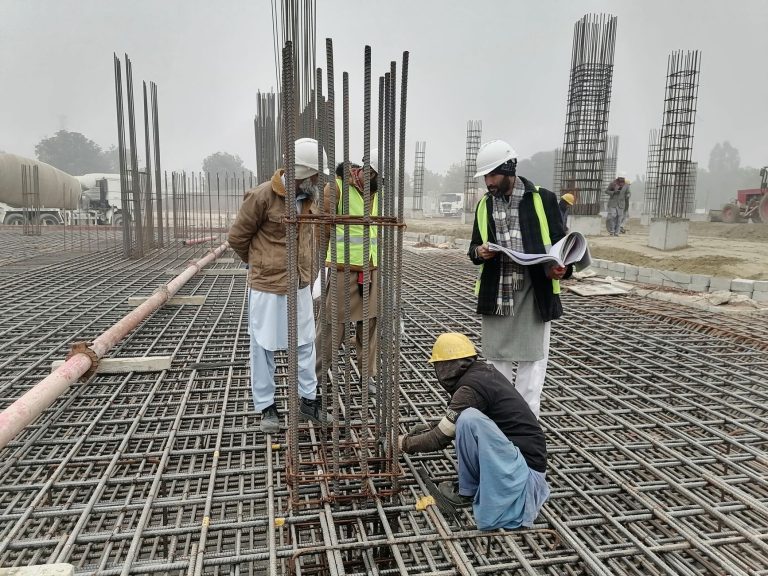
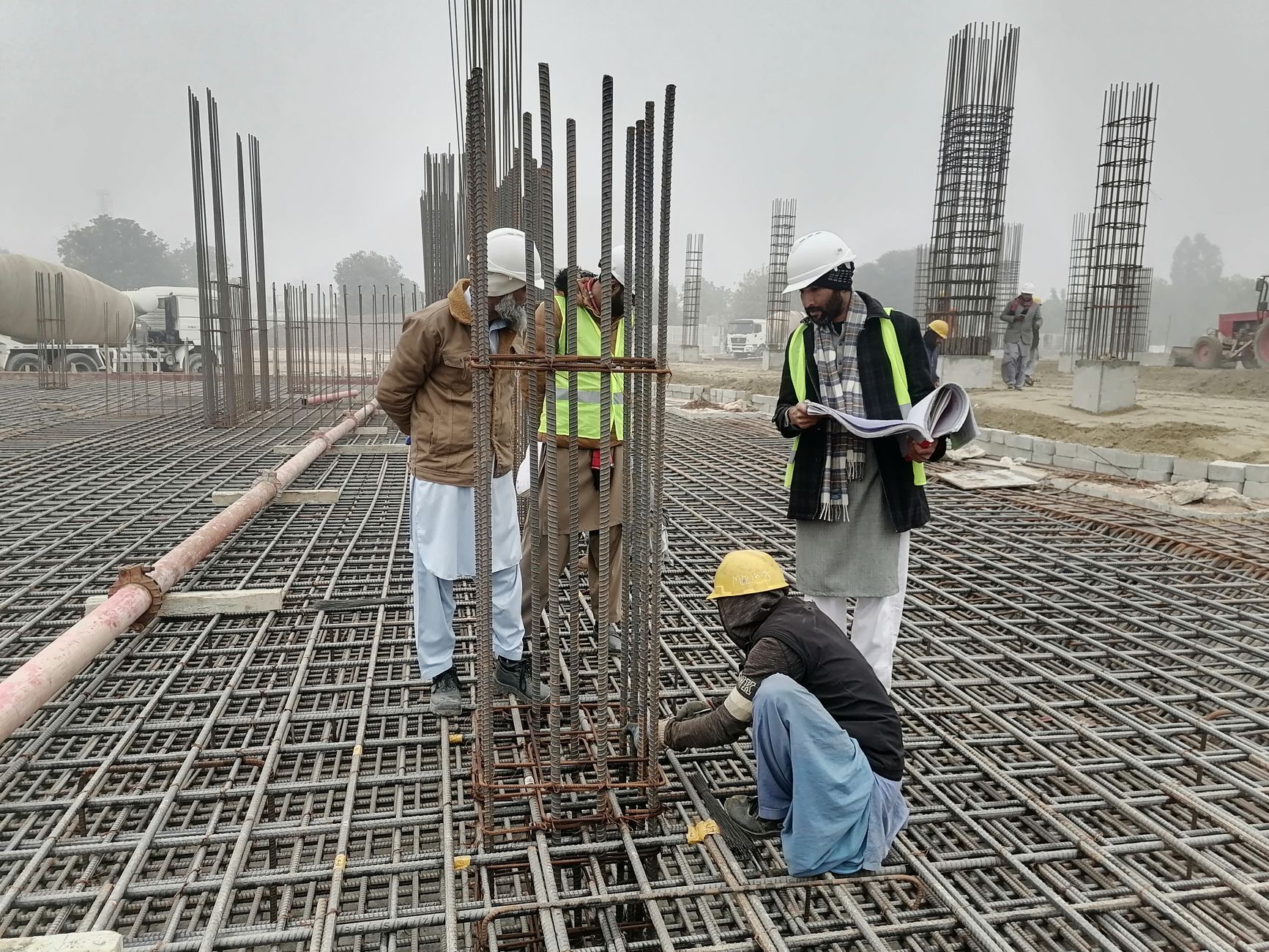
The ongoing rise in oil prices has significantly affected construction costs in Pakistan, leading to increased expenses for materials and labor. As a result, many projects are facing delays and budget overruns due to the soaring construction costs Pakistan is experiencing.
Photo by Zahid Iqbal on Pexels
Where this came from
- Record Rent Prices: The Worst Impact on Tenants in 2023
- Smart-home products: Best proven innovations from Apple
- Hannas: The Changing Landscape of Premium Industrial Estates Across NSW
About the Author