How Asbestos Becomes Hazardous
Asbestos, in its undisturbed state, often poses little to no immediate danger. However, when asbestos-containing materials (ACMs) are damaged or disturbed, they can release tiny, needle-like fibers into the air. These fibers are so small that they can remain airborne for long periods, making them easy to inhale without noticing. Once inhaled, they can lodge deep within the lungs, where they may stay indefinitely, leading to serious health problems over time. The danger lies in the microscopic nature of these fibers, which cannot be seen, smelled, or tasted, making exposure difficult to detect.
The Role of Friability in Fiber Release
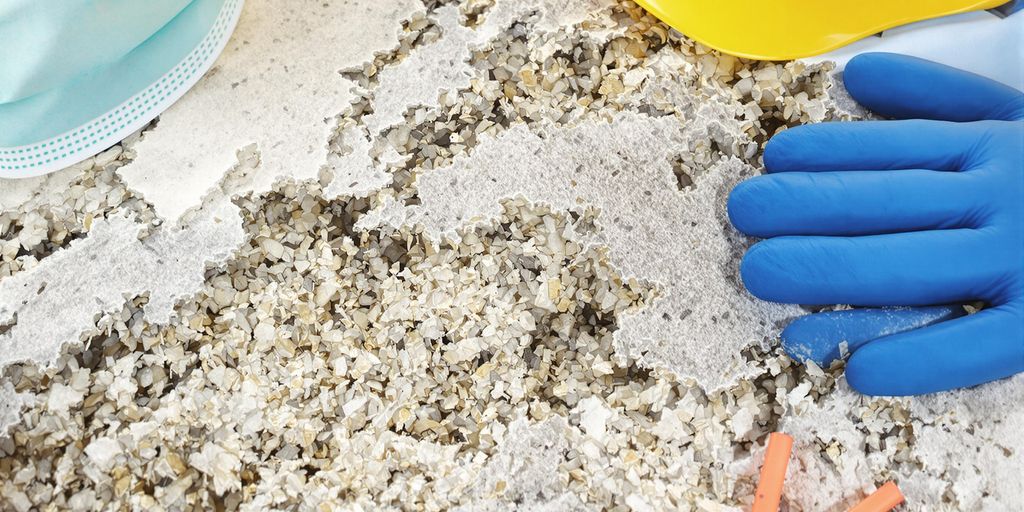
The term friable is key when discussing asbestos hazards. Friable materials are those that can easily crumble or break apart with minimal pressure, such as sprayed-on asbestos insulation. These materials are much more likely to release fibers into the air compared to non-friable materials, like asbestos floor tiles, which are more durable and less prone to damage. For example, cutting, drilling, or sanding a friable ACM can release a significant amount of fibers, turning a stable material into a health hazard in moments.
Common Scenarios Leading to Asbestos Exposure
Exposure to asbestos often occurs in everyday situations, particularly during renovations or repairs in older buildings. Some common scenarios include:
- Breaking or removing old floor tiles that contain asbestos.
- Drilling into walls or ceilings that have asbestos insulation or joint compounds.
- Handling deteriorating pipe insulation in basements or utility rooms.
Construction workers, DIY enthusiasts, and even homeowners can unknowingly disturb asbestos-containing materials, putting themselves and others at risk. To minimize exposure, it’s essential to leave suspected materials undisturbed and consult professionals for proper handling. For more information on why avoiding asbestos exposure is critical, consider the potential long-term health effects tied to this harmful substance.
Health Risks Associated With Asbestos Exposure
Diseases Linked to Asbestos Fibers
The health consequences of asbestos exposure are severe and often life-altering. When asbestos fibers are inhaled, they can become trapped in the lungs, leading to a range of diseases over time. Among the most common are:
- Mesothelioma: A rare and aggressive cancer that develops in the lining of the lungs or abdomen. This disease is almost exclusively linked to asbestos exposure.
- Asbestosis: A chronic lung condition caused by scarring of the lung tissue, making it difficult to breathe.
- Lung Cancer: Prolonged exposure to asbestos significantly increases the risk of developing lung cancer, especially in smokers.
These conditions often take decades to manifest, meaning symptoms may not appear until 15–40 years after exposure.
The Long-Term Impact of Inhalation
One of the most concerning aspects of asbestos-related diseases is their delayed onset. Once inhaled, asbestos fibers can remain lodged in the lungs indefinitely. Over time, they cause inflammation and scarring, which can impair lung function and lead to chronic respiratory issues. The cumulative nature of exposure means even small amounts of asbestos, inhaled repeatedly, can have devastating effects.
Additionally, the psychological toll on individuals and families dealing with these long-term illnesses cannot be overlooked. The prolonged latency period often leaves patients and their loved ones unprepared for the diagnosis.
Why Smoking Increases the Risk
Smoking doesn’t just harm the lungs; it compounds the dangers of asbestos exposure. Smokers who have been exposed to asbestos are far more likely to develop lung cancer than non-smokers. This is because smoking damages the lungs’ natural defense mechanisms, making it easier for asbestos fibers to penetrate and cause harm. For those with a history of asbestos exposure, quitting smoking is one of the most effective ways to reduce their overall risk of lung disease.
Identifying Asbestos-Containing Materials
Common Locations of Asbestos in Buildings
Asbestos was widely used in construction for its durability and fire-resistant properties. Knowing where asbestos is likely to be found can help prevent accidental exposure. Some common locations include:
- Pipe and boiler insulation, especially in older buildings.
- Ceiling tiles and sprayed-on insulation in structures built before 1981.
- Floor tiles, particularly 9-inch tiles, and the adhesive used to secure them.
- Fire-resistant drywall and asbestos cement sheets.
- Roofing materials, such as shingles and felt.
Visual Indicators of Asbestos Presence
Identifying asbestos visually is tricky because it often resembles other materials. However, there are some clues that might suggest its presence:
- Textured walls and ceilings that appear “fuzzy” or frayed.
- Dense, coarse fibers in insulation or older construction materials.
- Aging or damaged materials that release tiny particles into the air.
It’s important to note that visible fibers alone do not confirm asbestos. Professional testing is the only way to be certain.
Why Testing Is Essential for Confirmation
Testing is the most reliable method to confirm whether a material contains asbestos. Here’s why it’s necessary:
- Asbestos fibers are microscopic and cannot be identified by sight alone.
- Disturbing suspect materials without proper testing increases the risk of fiber release.
- Only licensed professionals should collect samples to ensure safety and compliance with regulations.
If you suspect asbestos in your home or workplace, always consult with a certified inspector. Their expertise ensures accurate identification and proper handling of hazardous materials.
Why Asbestos Should Be Left Undisturbed
The Risks of DIY Asbestos Handling
Handling asbestos materials on your own is a dangerous idea. Many people assume they can save money by tackling the issue themselves, but this often leads to even greater risks. When asbestos-containing materials are disturbed—whether through sanding, drilling, or breaking—they release tiny fibers into the air. These fibers are not visible to the naked eye, yet they can lodge deep into the lungs when inhaled. This exposure can cause severe health problems, including lung cancer and other respiratory diseases.
Legal Requirements for Asbestos Management
In many places, laws strictly regulate how asbestos must be handled. These regulations are designed to protect both individuals and the public from unnecessary exposure. For example, homeowners are often required to hire certified professionals for asbestos removal. Ignoring these legal requirements can result in hefty fines or even criminal charges. Additionally, disturbing asbestos without following proper protocols can create long-term contamination in your home or building.
The Role of Licensed Abatement Professionals
Licensed asbestos abatement professionals are trained to handle this hazardous material safely. They use specialized equipment and follow strict procedures to ensure that asbestos fibers are contained and removed without risk to others. Hiring professionals not only minimizes health risks but also ensures compliance with legal standards. If you suspect asbestos in your home, it’s always better to consult experts rather than taking unnecessary risks.
Safe Practices for Managing Asbestos
Steps to Take When Suspecting Asbestos
If you think a material might contain asbestos, don’t touch it or disturb it in any way. The first step is to assume the material is hazardous until proven otherwise. Notify your supervisor or building manager immediately. They’ll likely contact a licensed inspector to test the material. Never try to collect a sample yourself—this is not only unsafe but could also violate regulations.
When asbestos is confirmed, avoid any DIY attempts to remove or handle it. Only professionals trained in asbestos abatement should manage such materials. Proper handling is key to preventing dangerous fiber release.
The Importance of Professional Inspections
Professional inspections are not just a precaution—they’re a necessity. Licensed inspectors have the tools and training to safely evaluate suspect materials. They’ll determine if asbestos is present and assess its condition. This step is critical before any renovation or demolition work begins.
Without a professional inspection, you risk disturbing asbestos unknowingly, which can release harmful fibers into the air. Always prioritize safety by ensuring inspections are carried out by certified experts.
Preventive Measures to Avoid Disturbance
Prevention is the best way to manage asbestos risks. Here are some practical steps:
- Do not drill, cut, or sand materials that might contain asbestos. Even minor damage can release fibers.
- Keep an eye out for signs of wear or damage in older building materials. Report any concerns immediately.
- Ensure regular maintenance checks are performed by trained personnel.
For workers in environments with potential asbestos exposure, Asbestos Awareness Training is essential. It equips them with the knowledge to recognize risks and act responsibly.
By following these practices, you can significantly reduce the chances of accidental exposure and ensure a safer environment for everyone.
The Science Behind Asbestos Fiber Release
How Physical Damage Triggers Fiber Release
Asbestos-containing materials (ACMs) are generally stable when left undisturbed. However, when they are physically damaged—through drilling, cutting, or breaking—the tiny asbestos fibers embedded within can be released into the air. These fibers are incredibly small, sometimes up to 700 times thinner than a human hair, making them easy to inhale and hard to detect. Once airborne, they can linger for hours or even days, increasing the risk of exposure. This is why even minor disturbances, like hammering a nail into an asbestos-laden wall, can pose serious health risks.
The Impact of Aging and Environmental Factors
Over time, ACMs can degrade due to aging, water damage, or environmental wear and tear. These factors weaken the material’s structure, increasing its “friability”—a term used to describe how easily the material crumbles. The more friable the material, the higher the likelihood of fiber release. For instance, asbestos insulation exposed to constant vibration or moisture is far more likely to release fibers than intact floor tiles.
Why Intact Asbestos Is Less Dangerous
When asbestos remains undisturbed and intact, it poses minimal risk. This is because the fibers are securely bound within the material and are not airborne. Encapsulation—a process where a sealant is applied to ACMs—can further reduce the risk by creating a protective barrier. However, it’s essential to monitor these materials regularly, as even intact asbestos can become hazardous if its condition deteriorates over time.
Legal and Regulatory Frameworks for Asbestos
State and Federal Guidelines on Asbestos
Managing asbestos is a serious responsibility, and both state and federal laws set strict rules to protect public health. The Environmental Protection Agency (EPA) and the Occupational Safety and Health Administration (OSHA) are two key agencies overseeing asbestos regulations. For instance, the 2019 final rule restricts certain asbestos uses to prevent exposure. These laws typically cover everything from identifying asbestos-containing materials (ACM) to safely handling and disposing of them. Compliance isn’t optional—it’s the law. States often have their own additional guidelines, so property owners must stay informed about local requirements.
The Role of Certified Inspectors
Certified inspectors are essential for ensuring asbestos safety. These professionals are trained to identify ACM, assess its condition, and recommend the safest course of action. Inspections are often required before building renovations or demolitions to prevent accidental fiber release. They also play a key role in periodic monitoring of materials left in place. Hiring a certified inspector isn’t just a smart move—it’s often legally required.
Penalties for Non-Compliance
Ignoring asbestos regulations can lead to severe consequences. Penalties may include hefty fines, legal action, and even criminal charges in extreme cases. Beyond the legal risks, mishandling asbestos can result in costly cleanup operations and long-term health issues for those exposed. Following the rules not only avoids these pitfalls but also ensures the safety of everyone involved.
The Importance of Asbestos Awareness Training
Who Needs Asbestos Awareness Training
Asbestos awareness training is not just a formality; it’s a necessity for anyone who might encounter asbestos-containing materials (ACMs) in their line of work. This includes construction workers, custodial staff, maintenance teams, and even demolition crews. Understanding the risks associated with asbestos is critical to ensuring safety. Without proper training, individuals may unknowingly disturb materials that release dangerous fibers into the air.
Employers are responsible for identifying roles that require this training and ensuring compliance with safety regulations. By doing so, they protect not only their workers but also the public from unnecessary exposure.
Key Topics Covered in Training Programs
Effective asbestos awareness training programs cover a range of topics to prepare workers for real-world scenarios. Some of the core subjects include:
- Identification of asbestos-containing materials: Workers learn how to recognize potential ACMs, such as floor tiles, ceiling tiles, and insulation.
- Health risks of asbestos exposure: This includes understanding diseases like asbestosis, lung cancer, and mesothelioma.
- Safe practices for handling ACMs: Participants are taught what to do—and what not to do—when they encounter suspect materials.
Training also emphasizes the importance of notifying supervisors immediately if damaged or deteriorating ACMs are discovered. This step alone can prevent a hazardous situation from escalating.
How Training Reduces Exposure Risks
The ultimate goal of asbestos awareness training is to minimize the risk of exposure. Workers who are educated about asbestos are far less likely to make mistakes that could endanger themselves or others. For example, they know to avoid sweeping or vacuuming debris from ACMs, as this can release fibers into the air.
Additionally, training fosters a culture of vigilance. Employees are more likely to report suspicious materials or unsafe conditions, allowing for timely intervention by licensed professionals. In this way, asbestos awareness training acts as a first line of defense against exposure.
For construction professionals, asbestos awareness training is especially crucial. It equips them with the knowledge needed to identify ACMs, assess risks, and implement safety protocols effectively. Investing in such training is not just a legal requirement—it’s a commitment to health and safety.
The Role of Environmental Health and Safety Services
How EHS Teams Handle Asbestos Cases
Environmental Health and Safety (EHS) teams play a critical role in managing asbestos risks within buildings and workplaces. Their responsibilities often start with maintaining a detailed database of known asbestos-containing materials (ACMs). This database helps in identifying areas that require monitoring or intervention. EHS teams ensure that all asbestos-related activities comply with local, state, and federal regulations.
Key tasks performed by EHS teams include:
- Conducting periodic inspections to assess the condition of ACMs and identify potential hazards.
- Coordinating removal activities with licensed asbestos abatement professionals.
- Providing industrial hygiene consultations to minimize exposure risks.
The Process of Material Sampling and Testing
When asbestos is suspected in a material, EHS teams initiate a process of sampling and testing. This involves collecting bulk samples from the suspected material and analyzing them in specialized laboratories. The goal is to confirm whether asbestos fibers are present and determine their concentration.
Steps typically involved in sampling and testing include:
- Isolating the area to prevent accidental exposure.
- Collecting samples using proper protective equipment.
- Sending samples to certified labs for analysis.
These steps are essential to ensure safety and compliance with EPA asbestos guidelines.
When to Contact EHS for Assistance
Knowing when to involve an EHS team can make a significant difference in preventing asbestos exposure. Building occupants and maintenance staff should report any signs of damaged or deteriorating ACMs immediately. Additionally, EHS should be contacted:
- Before starting renovations or demolition projects in older buildings.
- If there are visible signs of wear or damage to materials that may contain asbestos.
- To schedule routine inspections or employee training sessions.
For public buildings, adherence to asbestos management requirements is not just recommended—it’s mandatory. EHS teams serve as a vital resource in ensuring these standards are met effectively.
Common Myths About Asbestos Safety
Debunking Misconceptions About Asbestos
One of the biggest myths about asbestos is the belief that it’s only dangerous in large amounts. Even small exposures to asbestos fibers can pose significant health risks. This is because there is no safe level of asbestos exposure—every inhaled fiber increases the potential for developing serious health issues. Another common misconception is that asbestos is no longer an issue because it’s banned. While many countries have restricted its use, asbestos-containing materials still exist in older homes, schools, and workplaces, making awareness crucial.
Why Asbestos Is Still a Concern Today
Although asbestos use has declined, it hasn’t disappeared. In fact, asbestos-containing materials remain in millions of buildings worldwide. These materials are often hidden in insulation, ceiling tiles, and flooring. They may seem harmless while intact, but any disturbance—like drilling, cutting, or remodeling—can release hazardous fibers into the air. Unfortunately, many people assume that if asbestos isn’t visible, it’s not dangerous, which is far from the truth.
The Truth About Asbestos Removal Costs
Another myth is that asbestos removal is prohibitively expensive, leading some to attempt DIY removal. This is not only unsafe but can also end up costing more in the long run due to improper handling and contamination. Hiring licensed professionals ensures that the job is done safely and complies with regulations. Proper removal protects everyone in the area and prevents the spread of airborne fibers. For instance, white asbestos, often underestimated, can still lead to severe health conditions if mishandled.
The Economic and Social Costs of Asbestos Exposure
Healthcare Costs of Asbestos-Related Diseases
The financial burden of asbestos-related illnesses is staggering. Diseases like mesothelioma, asbestosis, and lung cancer require extensive medical treatment, which often includes surgeries, chemotherapy, and long-term care. These treatments can cost hundreds of thousands of dollars, even with insurance coverage. For families without adequate health insurance, the expenses can be devastating, often leading to debt or even bankruptcy. Additionally, indirect costs such as travel for specialist treatments or lost wages due to illness further strain household finances.
The Impact on Families and Communities
When someone suffers from an asbestos-related disease, it’s not just the individual who is affected—it ripples through their family and community. Families often have to become caregivers, which can mean quitting jobs or cutting back on work hours. This loss of income, combined with medical expenses, can lead to significant financial hardship. Communities also bear the weight, as local healthcare systems and social services are stretched thin to support those affected. Asbestos exposure in the environmentoccurs due to the disruption of natural deposits and improper disposal practices, compounding the issue for entire regions.
Why Prevention Is More Cost-Effective
Preventing asbestos exposure is not just a health priority; it’s an economic one. Implementing strict safety measures, conducting professional asbestos inspections, and ensuring proper disposal are far less costly than managing the aftermath of exposure. Legal settlements and compensation claims from affected individuals often run into millions of dollars for companies found negligent. For society as a whole, investing in prevention reduces healthcare costs, minimizes legal battles, and protects future generations from avoidable suffering.
Connected Reading
Robert King Mesothelioma Law Services
About the Author