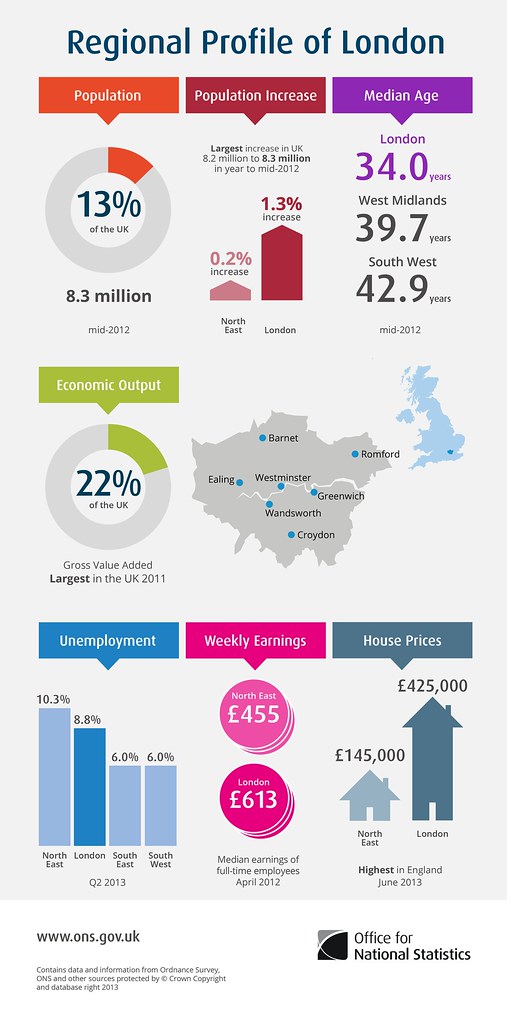
house prices affordability is becoming a significant concern for many potential homeowners. As the gap widens, understanding the implications is crucial for navigating today’s real estate market.
Understanding the Current Housing Market
In recent months, the housing market has experienced significant fluctuations, leading to a widening gap between house prices and affordability. This disparity has raised concerns among potential homeowners and investors alike.
Several factors contribute to the current state of the housing market:
- Rising Interest Rates: With central banks increasing interest rates to curb inflation, borrowing costs have surged. This change directly impacts mortgage affordability for many buyers.
- Supply Chain Issues: Ongoing supply chain disruptions have affected the construction of new homes, limiting availability in the market and driving up prices.
- Increased Demand: Despite economic uncertainties, demand for housing remains strong, fueled by low unemployment rates and a growing population. This high demand further exacerbates the affordability crisis.
- Inflation: General inflation has led to higher costs of living, making it more challenging for individuals to save for down payments or meet monthly mortgage obligations.
As house prices continue to rise, the gap between what people can afford and the actual market prices grows wider. Understanding these dynamics is crucial for anyone looking to navigate the complex landscape of house prices affordability in today’s economy.
Factors Driving House Prices
The current housing market is experiencing significant pressures that are driving house prices to unprecedented levels. Several factors contribute to this growing gap in house prices affordability.
- Low Housing Supply: A persistent shortage of available homes has led to increased competition among buyers, pushing prices higher.
- High Demand: Urbanization and a growing population have resulted in heightened demand for housing, especially in desirable locations.
- Interest Rates: Although interest rates have fluctuated, low mortgage rates in recent years have fueled buyer interest, contributing to price escalations.
- Inflation: Rising costs of materials and labor have led developers to increase home prices as they struggle to maintain profit margins.
- Investor Activity: Institutional investors entering the market have further driven up prices, making homeownership less attainable for average buyers.
These factors collectively create a challenging environment for potential homeowners, where the dream of owning a home becomes increasingly out of reach. Addressing the issue of house prices affordability requires a comprehensive approach that considers these driving forces.
Impact of Interest Rates on Affordability
The impact of interest rates on house prices affordability cannot be understated. As central banks adjust their monetary policies, interest rates play a crucial role in determining the cost of borrowing for potential homeowners. When interest rates rise, the monthly mortgage payments increase, making it more difficult for buyers to enter the market.
In the current economic landscape, many potential homeowners are feeling the strain. The following factors illustrate how rising interest rates affect affordability:
- Increased Monthly Payments: Higher interest rates lead to larger monthly mortgage payments, pushing homeownership further out of reach for many.
- Decreased Purchasing Power: As interest rates climb, buyers find themselves able to afford less expensive homes, exacerbating the gap between house prices and what individuals can realistically pay.
- Market Sentiment: Rising rates can lead to a slowdown in home sales, as potential buyers hesitate to make significant financial commitments amidst uncertainty.
Ultimately, the widening gap between house prices and affordability is influenced heavily by interest rate fluctuations. This ongoing dynamic poses significant challenges for aspiring homeowners, creating a complex environment marked by rising costs and limited options.
Regional Differences in House Prices
The issue of house prices affordability varies significantly across different regions, creating a complex landscape for potential buyers. In urban areas, the demand for housing often outpaces supply, leading to inflated prices that are difficult for average earners to meet.
Conversely, rural areas may offer more affordable options, but they often lack the jobs and amenities that attract buyers. This disparity is evident in several key regions:
- Metropolitan Cities: In cities like New York and San Francisco, house prices have skyrocketed, making affordability a distant dream for many residents.
- Suburban Areas: Suburbs near major cities tend to see a moderate increase in prices but still remain more affordable than their urban counterparts.
- Rural Regions: These areas typically have lower house prices, but the trade-off often includes fewer job opportunities and limited access to essential services.
As the gap between house prices and affordability continues to widen, it raises concerns about housing equity and the ability of families to secure stable homes. Understanding these regional differences is crucial for policymakers aiming to address the housing crisis effectively.
Strategies for Home Buyers
As house prices continue to rise, many potential buyers find themselves grappling with the issue of affordability. To navigate this challenging landscape, home buyers can employ several strategies that may help bridge the gap between their financial capabilities and the current market conditions.
- Set a Realistic Budget: It is crucial for buyers to assess their financial situation thoroughly. This includes understanding their income, savings, and the maximum amount they can afford for monthly mortgage payments.
- Consider Government Programs: Many governments offer assistance programs aimed at first-time home buyers. These programs may provide down payment assistance or favorable loan terms, making housing more accessible.
- Explore Alternative Locations: Buyers can increase affordability by exploring homes in less popular or emerging neighborhoods. These areas may offer lower prices while still providing desirable amenities.
- Adjust Expectations: Flexibility is key. Buyers may need to compromise on certain features or the size of the home to find something within their budget.
- Work with a Real Estate Professional: A knowledgeable agent can provide valuable insights into the market and help buyers identify properties that fit their financial needs.
By implementing these strategies, home buyers can better navigate the complexities of house prices affordability in today’s market.
Future Predictions for Real Estate
As the housing market continues to evolve, experts are making predictions about the future of house prices affordability. The widening gap between house prices and what buyers can realistically afford poses significant challenges for potential homeowners.
Several key factors are expected to influence this trend:
- Economic Growth: If the economy continues to grow, wages may rise, potentially improving affordability. However, this growth may not keep pace with rising house prices.
- Supply Chain Issues: Ongoing supply chain disruptions could hinder the construction of new homes, exacerbating the housing shortage and driving prices higher.
- Interest Rates: While current rates are relatively low, any increases could further strain affordability, making it difficult for buyers to secure mortgages.
- Government Policies: Legislative measures aimed at improving housing supply and affordability could play a crucial role in shaping the market’s future.
In conclusion, while some predict a stabilization in house prices, the reality of affordability remains a pressing concern. Homebuyers will need to navigate this complex landscape as they seek their ideal properties amidst fluctuating prices and economic uncertainties.
Expert Opinions on Market Trends
Experts are increasingly concerned about the widening gap between house prices and affordability, which poses challenges for potential homebuyers. According to real estate analyst Jane Mitchell, “The current market is not sustainable. Many families are finding it increasingly difficult to purchase homes due to skyrocketing prices.”
Mitchell highlights that while demand remains strong, limited housing supply continues to drive prices higher. “The affordability crisis is affecting first-time buyers the most, pushing them to the sidelines,” she explains, noting that many are now opting to rent rather than buy.
Another expert, Dr. Samuel Chen, a leading economist, emphasizes the role of government policies in addressing this issue. “To improve house prices affordability, we need a comprehensive approach that includes increasing housing supply and regulating speculative investments in the market,” he states.
Market analyst Linda Torres suggests that the rise of remote work is also influencing trends. “With more people able to work from anywhere, we are seeing increased competition in suburban and rural areas, which further drives up prices,” Torres notes.
As these expert insights reveal, tackling the affordability issue requires a multifaceted strategy to ensure that homeownership remains attainable for future generations.
The recent surge in demand has exacerbated the issue of house prices affordability, leaving many potential buyers feeling priced out of the market. As wages stagnate, the gap in house prices affordability continues to widen, making homeownership increasingly elusive for the average family.
By granite-charlotte via Openverse
Read the original
You might also like
Aria Sanctuary Residences: Best Proven Sales in Melbourne · Exotic Wildlife Trips: The Best Proven Adventures Await · October 28 launch event: Best Smart Tech Announcements Ahead
About the Author