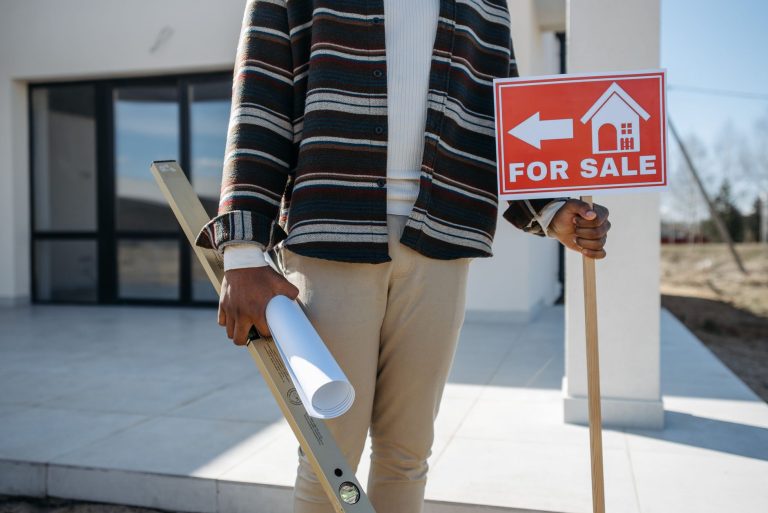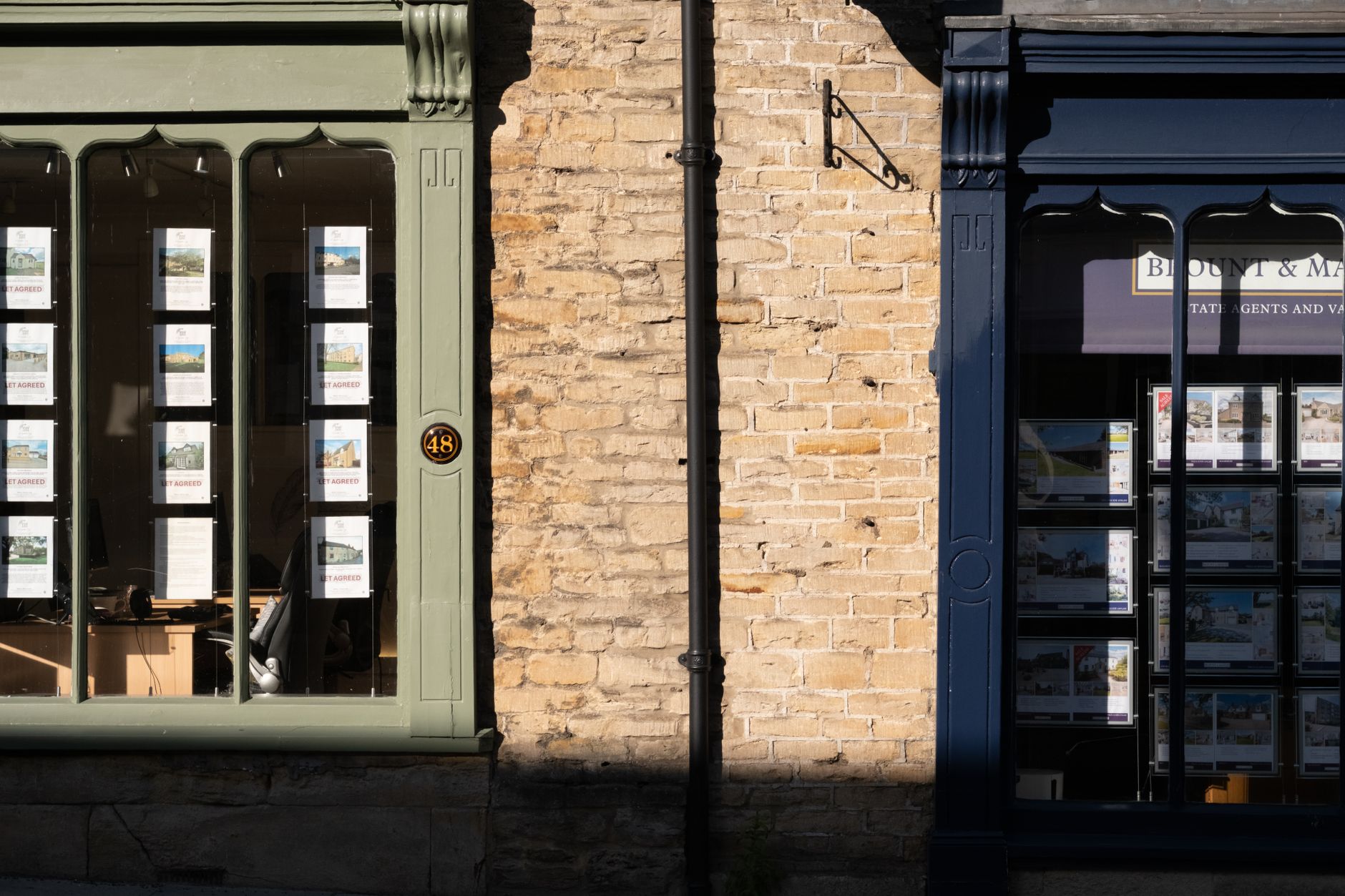
Commercial property sales have surged by 21%, indicating a potential recovery in the market. However, looming rate hikes may pose significant challenges ahead.
Current Trends in Commercial Property Sales
Recent data indicates a significant uptick in commercial property sales, with an impressive 21 percent increase noted in the past quarter. This surge reflects a growing optimism in the market, as investors are keen to capitalize on opportunities that arise from the ongoing economic recovery.
However, this positive trend is being tempered by concerns over potential rate hikes, which could pose challenges to future sales. Experts suggest that while the current momentum is encouraging, rising interest rates could dampen demand, impacting overall investment strategies.
Key factors influencing the commercial property sales landscape include:
- Increased investor confidence: A rebound in economic activity has led many to explore commercial properties as viable investment options.
- Market diversification: Investors are looking beyond traditional markets, seeking opportunities in emerging sectors.
- Infrastructure developments: Upgrading urban areas is attracting interest and increasing the value of commercial properties.
As the market evolves, stakeholders will need to navigate these challenges carefully to sustain the growth in commercial property sales.
Impact of Rate Hikes on Recovery
The commercial property sales market has shown significant resilience, with a notable increase in transactions. However, the looming impact of rate hikes poses a challenge to this recovery.
Recent data indicates that the surge in sales, which has risen by 21 percent, may be jeopardized by rising interest rates. Investors are concerned that higher borrowing costs could lead to decreased demand, ultimately affecting property values.
Industry experts highlight several factors that could influence the market:
- Increased Financing Costs: As rates climb, the cost of securing loans for commercial property purchases rises, potentially deterring buyers.
- Market Sentiment: Uncertainty surrounding future economic conditions can lead to cautious investment behavior.
- Long-term Projections: While the short-term outlook may appear robust, sustained rate increases could lead to a reevaluation of investment strategies.
Ultimately, while current trends in commercial property sales are promising, the sustainability of this growth hinges on how rate hikes influence investor confidence and market dynamics.
Factors Driving Sales Increase
The recent uptick in commercial property sales can be attributed to several key factors that are reshaping the market landscape. As investors seek to capitalize on potential gains, the following elements are driving this increase:
- Improving Economic Conditions: A gradual rebound in the economy has instilled confidence in both buyers and sellers, leading to more transactions.
- Low Vacancy Rates: With many commercial spaces experiencing low vacancy rates, property owners are motivated to sell, further stimulating market activity.
- Increased Demand for Flexibility: The rise of hybrid work models has created a demand for flexible commercial spaces, attracting new investors to the sector.
- Interest from Institutional Investors: Large institutional investors are increasingly targeting commercial properties, viewing them as a hedge against inflation.
- Government Incentives: Various government initiatives aimed at revitalizing urban areas have also played a crucial role in incentivizing commercial property sales.
These factors collectively suggest that the current surge in commercial property sales may be more than just a fleeting trend, despite the looming threat of rate hikes.
Future Predictions for Real Estate
As the landscape of commercial property sales continues to evolve, several predictions are emerging regarding the future of this sector. Experts are optimistic about a sustained recovery, driven by a combination of economic growth and increasing demand from investors.
Key indicators to watch include:
- Investment Trends: A rise in institutional investments may signal renewed confidence in the market.
- Technology Integration: The adoption of technology in property management is expected to enhance operational efficiency, attracting more buyers.
- Urban Development: Ongoing urbanization will likely lead to greater demand for commercial spaces in metropolitan areas.
However, potential challenges remain. With interest rates fluctuating, the impact on financing options could affect commercial property sales. Economic uncertainties may also lead to a cautious approach from investors.
In conclusion, while the current momentum in commercial property sales shows promise, the interplay of external factors will play a crucial role in determining the pace of recovery in the coming years.
Expert Opinions on Market Changes
Experts are weighing in on the recent surge in commercial property sales, with many expressing cautious optimism about the market’s recovery. According to real estate analysts, the 21 percent jump in sales indicates a strong rebound from previous downturns, but potential challenges loom on the horizon.
One industry expert noted, “While the current growth in commercial property sales is encouraging, we must consider the impact of future interest rate hikes. These could dampen investor enthusiasm and slow down the momentum we are seeing now.”
Additionally, some analysts emphasize the importance of understanding market dynamics. “Investors are becoming more selective, focusing on properties that promise sustainable returns,” another expert remarked. “This shift may lead to a more stable market in the long run.”
As discussions about the sustainability of the current recovery continue, it is clear that while commercial property sales are experiencing a notable upswing, the path forward will depend on broader economic factors and investor confidence.
Comparative Analysis of Previous Years
In examining the landscape of commercial property sales over the past few years, a notable upward trend has emerged. Data indicates that the commercial real estate market has experienced fluctuations, yet the recent jump of 21 percent in sales signals a significant recovery phase. This contrasts sharply with previous years, where the market faced consistent challenges.
Key factors contributing to this comparative analysis include:
- Market Sentiment: Investor confidence has played a pivotal role, with many viewing real estate as a stable investment during economic uncertainty.
- Supply Chain Adjustments: Changes in supply chain dynamics have driven businesses to seek larger commercial spaces, thereby increasing demand.
- Technology Integration: The rise of remote work has prompted businesses to re-evaluate their space needs, leading to a more active market.
While the current surge in commercial property sales is promising, the looming threat of rate hikes could hinder this recovery. Stakeholders must remain vigilant, balancing optimism with caution as they navigate these market dynamics.
Challenges Ahead for Investors
Despite the recent surge in commercial property sales, challenges loom ahead for investors navigating this evolving landscape. The recent increase of 21 percent in sales figures could be overshadowed by several formidable obstacles that may impact future growth.
One significant challenge is the potential for increased interest rates, which can lead to higher borrowing costs for investors. This scenario not only affects the affordability of acquisitions but also influences overall market sentiment. Investors may become more cautious, weighing the risks against potential rewards.
Additionally, the shift towards remote work and changing consumer behaviors continue to reshape the demand for commercial spaces. Properties that once thrived may now struggle to attract tenants, leading to vacancies that can diminish property values.
Furthermore, regulatory changes and the economic climate contribute to uncertainty in commercial property sales. Investors must stay informed and agile to adapt to these shifts. In light of these challenges, while the current rise in sales is promising, the long-term recovery remains contingent on how effectively investors can navigate these hurdles.
Strategies for Navigating the Market
Navigating the commercial property sales market requires a strategic approach, especially in the face of fluctuating interest rates and economic uncertainty. Investors are advised to consider the following strategies:
- Research Local Markets: Understanding the dynamics of local markets can provide insights into demand and pricing, helping investors identify the best opportunities.
- Diversify Investments: Spreading investments across different types of commercial properties—such as retail, office, and industrial—can mitigate risks associated with market volatility.
- Build Relationships: Networking with local real estate agents, developers, and property managers can open doors to off-market deals and insider information.
- Stay Informed: Keeping up-to-date with economic indicators, policy changes, and market trends can help investors make informed decisions about when to buy or sell.
- Evaluate Financing Options: Exploring various financing options can help secure favorable terms, especially in an environment where rate hikes might threaten recovery.
By employing these strategies, investors can better position themselves to navigate the complexities of commercial property sales and capitalize on potential growth opportunities.
Photo by Ben Prater on Pexels
Sources
- Goodlettsville sales tax hike: The Worst Proven Impact
- LB Nagar elevated corridor: Quick approval from Centre
- Smart Home Devices: Apple’s Proven A.I. Innovations
About the Author