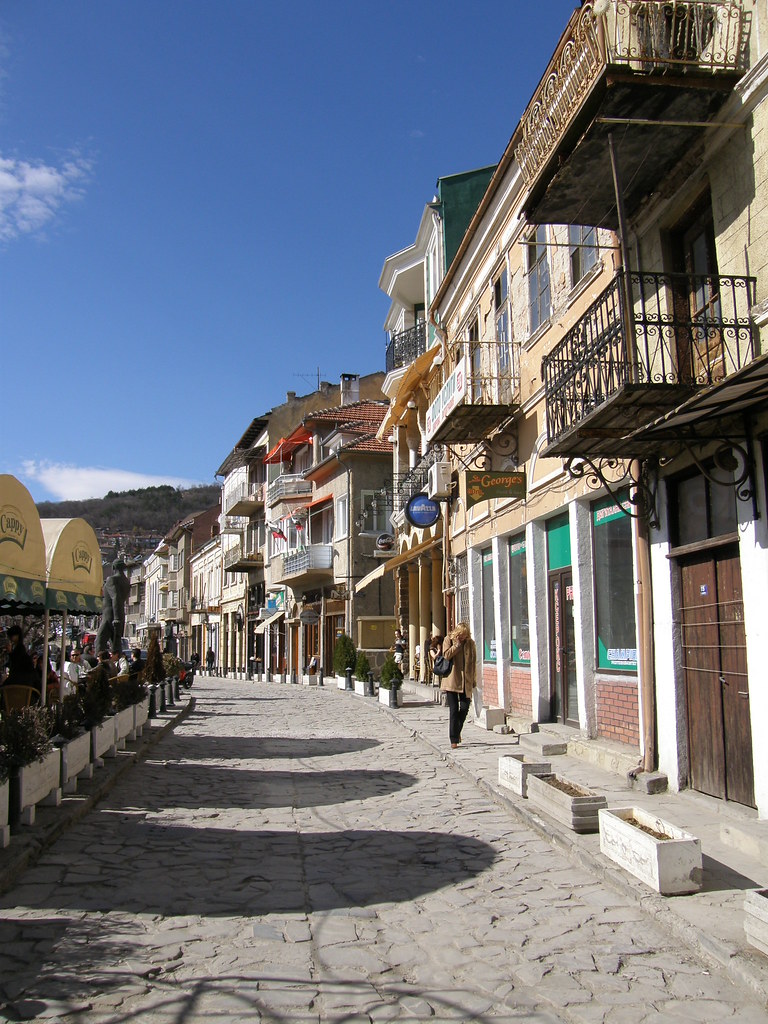
The Bulgaria housing market is experiencing a notable decline in sales, indicating signs of cooling. This shift raises questions about future trends and market stability.
Current State of the Bulgaria Housing Market
The current state of the Bulgaria housing market reflects a noticeable shift as recent data reveals signs of cooling. After years of rapid growth, the market is experiencing a decline in both sales and prices, prompting concerns among investors and homeowners alike.
Several factors contribute to this trend:
- Economic Uncertainty: Inflation and rising interest rates have led to hesitance among buyers, impacting their purchasing power.
- Supply and Demand Imbalance: An oversupply of new properties has created increased competition, resulting in downward pressure on prices.
- Changing Buyer Preferences: Many potential buyers are now seeking more affordable options, which has shifted focus away from high-end developments.
Real estate experts caution that these indicators may lead to a prolonged period of stagnation in the Bulgaria housing market. As consumers adapt to the new economic landscape, potential buyers are advised to proceed with caution, analyzing market trends and assessing their financial readiness before making commitments.
Factors Contributing to Sales Decline
The recent decline in the Bulgaria housing market can be attributed to several interconnected factors that are impacting buyer confidence and overall sales activity.
Firstly, rising interest rates have made mortgage financing less attractive for potential homeowners. As borrowing costs increase, many buyers are reevaluating their purchasing power and delaying their decisions.
Additionally, the economic uncertainty stemming from both local and global events has led to a more cautious approach among buyers. Concerns over inflation and the stability of the job market are causing many to prioritize financial security over property investment.
Moreover, the rapid increase in property prices over the last few years has resulted in affordability issues for a significant portion of the population. Many prospective buyers find themselves priced out of the market, further contributing to the sales decline.
Lastly, the oversupply of residential units in certain areas has created a more competitive environment, leading sellers to lower their asking prices, which may indicate a shift in market dynamics.
In summary, these factors combined highlight the challenges currently facing the Bulgaria housing market.
Impact on Buyers and Sellers
The cooling of the Bulgaria housing market is beginning to impact both buyers and sellers in significant ways. As sales decline, many potential buyers are finding themselves in a more favorable position, with increased negotiation power. However, this shift also presents challenges for those looking to sell their properties.
For buyers, the current landscape offers several advantages:
- Increased inventory: With fewer transactions, more homes are available on the market, providing buyers with a wider selection.
- Better pricing: As competition decreases, buyers may find more opportunities to negotiate lower prices.
- Longer decision times: Buyers can take their time to evaluate properties without the pressure of bidding wars.
Conversely, sellers are facing hurdles:
- Price adjustments: Many sellers may need to lower their asking prices to attract buyers.
- Longer selling periods: Homes may stay on the market longer, leading to uncertainty.
- Potential financial strain: For those needing to sell quickly, the slowdown could create economic difficulties.
Expert Opinions on Market Trends
As the Bulgaria housing market experiences a notable slowdown, experts are weighing in on the implications of this trend. According to real estate analyst Maria Petrov, “The signs of cooling are evident, and we must consider how this will shape the market in the coming months.” She emphasizes that a combination of rising interest rates and economic uncertainty has led to a decline in buyer confidence.
Another expert, Ivan Dimitrov, highlights the shift in buyer priorities. “Many are now opting for more affordable options, which is affecting the luxury segment significantly,” he explains. This change not only reflects current economic challenges but also indicates a long-term adjustment in consumer behavior.
Additionally, some analysts suggest that the decline in sales may prompt developers to reconsider their strategies. Elena Stoyanova, a market researcher, notes, “We might see a pivot towards more sustainable and affordable housing projects as demand shifts.” Overall, the expert consensus is clear: the Bulgaria housing market must adapt to these evolving dynamics if it hopes to recover and thrive in the future.
Future Predictions for Real Estate
As analysts evaluate the current state of the Bulgaria housing market, future predictions indicate a continued cooling trend. Key factors are expected to shape the trajectory of real estate in the coming months.
Experts suggest that rising interest rates will further dampen buyer enthusiasm. This financial strain may lead to:
- Increased mortgage costs that limit affordability for potential homeowners.
- A shift towards rental markets as buyers hold off on purchasing properties.
- Greater bargaining power for buyers as sellers may need to reduce prices to attract offers.
Additionally, the economic climate in Bulgaria is likely to influence market stability. Factors such as:
- Inflation rates affecting household budgets.
- Job market fluctuations that impact consumer confidence.
In summary, while the Bulgaria housing market has shown resilience, the combination of financial pressures and economic uncertainties points to a challenging period ahead. Buyers and sellers alike must adjust their strategies to navigate this evolving landscape.
Comparative Analysis with Previous Years
In recent years, the Bulgaria housing market has experienced a noticeable shift, prompting analysts to compare current trends with data from previous years. The analysis highlights several key indicators that suggest a cooling phase in the market.
- Sales Volume: Compared to the peak in 2021, where transactions soared, the latest figures indicate a decline of approximately 15% in sales volume, marking the first significant drop in nearly a decade.
- Price Trends: While property prices had been on a steady rise, recent months have seen a stagnation or even slight decrease in some regions, particularly in urban centers.
- Buyer Sentiment: Surveys show that potential buyers are increasingly hesitant, with a growing concern over future interest rate hikes and economic uncertainty influencing their decisions.
- Investment Activity: Investors are reevaluating their strategies, with fewer new projects being initiated, reflecting a cautious approach in the current housing climate.
These trends, when juxtaposed with the booming years leading up to 2022, paint a stark picture of the Bulgaria housing market’s current trajectory, suggesting a need for stakeholders to adapt to this new reality.
Advice for Navigating a Cooling Market
As the Bulgaria housing market shows clear signs of cooling, it is essential for both buyers and sellers to adapt their strategies accordingly. Here are some key pieces of advice for navigating this shifting landscape:
- Conduct Thorough Research: Stay informed about the latest market trends and statistics. Understanding local conditions can help you make more informed decisions.
- Be Patient: With sales declining, buyers should be prepared for a longer search. Rushing into a purchase may lead to regrettable decisions.
- Negotiate Wisely: Sellers may need to be more flexible with their pricing. Be open to negotiations to attract potential buyers in a cooling market.
- Consider Alternative Investments: If the housing market seems risky, explore other investment opportunities that may offer better returns.
- Seek Professional Guidance: Consulting with real estate experts can provide valuable insights and help navigate the complexities of the current market.
By taking these steps, both buyers and sellers can better position themselves in the evolving Bulgaria housing market.
By Klearchos Kapoutsis via Openverse
Read the original
Related stories
- Waterfront resort plans: Best proven investment opportunity
- EPC mandate steam project: Steamhouse India secures Rs 311 cr
- Cost Overrun in Infra Projects: The Worst Impact on Budgets
About the Author