What does an arborist do?
An arborist is a trained tree-care professional who understands tree biology, structure, health, and safety. When searching for an arborist near me, property owners are often looking for professional guidance on pruning, tree health, risk assessment, removal, or ongoing maintenance. Arborists assess individual trees based on their condition, surroundings, species, and growth patterns rather than relying on a one-size-fits-all approach.
Table of Contents
- What does an arborist do?
- What’s Covered
- Why is professional tree assessment important?
- When should a tree be inspected?
- How does pruning contribute to tree health?
- Can arborists help after severe weather?
- How can tree care help prevent avoidable problems?
- What should property owners consider before choosing tree-care services?
- Why is qualified tree care a long-term investment in property safety?
- The Short Version
What’s Covered
- What does an arborist do?
- Why is professional tree assessment important?
- When should a tree be inspected?
- How does pruning contribute to tree health?
- Can arborists help after severe weather?
- How can tree care help prevent avoidable problems?
- What should property owners consider before choosing tree-care services?
- Why is qualified tree care a long-term investment in property safety?
Why is professional tree assessment important?
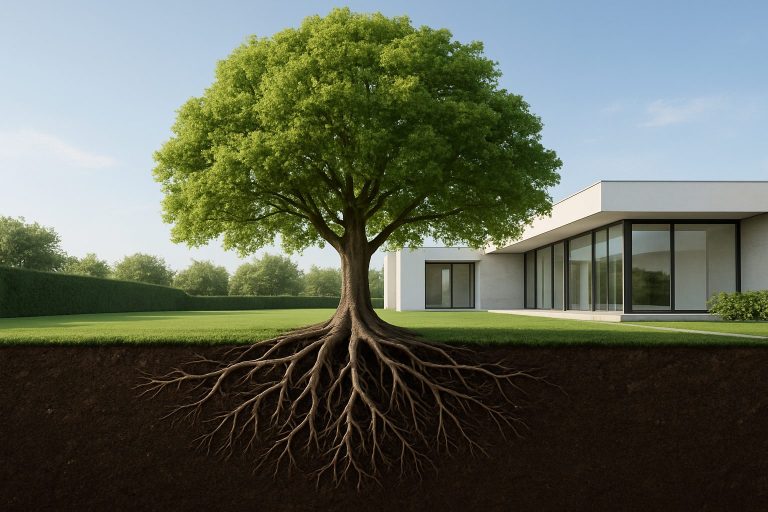
Trees can appear healthy while developing structural or biological problems that are difficult to identify from ground level. A professional assessment can examine branches, trunks, root zones, and signs of stress. Early identification may help property owners address concerns before they become more complicated. Regular assessments can also support better long-term planning for trees located around homes, gardens, driveways, pathways, and other structures.
When should a tree be inspected?
Inspection may be appropriate when a tree shows dead branches, unusual leaning, damaged bark, fungal growth, weak branch attachments, or visible root problems. Trees that have experienced storm damage may also require prompt attention. Routine inspections are useful even when there are no obvious symptoms because some structural weaknesses develop gradually. Professional observation can help determine whether monitoring, pruning, treatment, or another form of care is appropriate.
How does pruning contribute to tree health?
Pruning can improve a tree’s structure when it is performed for the right reasons and with suitable techniques. Removing dead, damaged, or poorly positioned branches can reduce potential hazards and encourage a more balanced crown. However, excessive or poorly planned pruning can place unnecessary stress on a tree. Professional tree-care planning considers the species, age, condition, seasonal growth, and purpose of the pruning before work begins.
Can arborists help after severe weather?
Yes. Storms can leave broken limbs, split branches, exposed roots, or damaged trunks. Some hazards may not be immediately visible, particularly when branches remain suspended within the canopy. An arborist can evaluate storm-affected trees and identify unstable areas that may require attention. Prompt assessment can also help property owners make informed decisions about damaged trees while reducing the possibility of overlooked hazards.
How can tree care help prevent avoidable problems?
Preventive maintenance focuses on identifying developing concerns before they become major issues. This can include scheduled inspections, appropriate pruning, monitoring tree stability, and maintaining suitable growing conditions. Paying attention to changes in foliage, branch development, trunk condition, and root-zone health can provide useful indicators. A consistent care plan can support healthier growth and make future tree-management decisions more predictable.
What should property owners consider before choosing tree-care services?
Property owners should look for professionals who demonstrate relevant training, experience, appropriate safety practices, and a clear understanding of the specific tree-care requirements involved. It is also useful to ask how the tree will be assessed, what work is being recommended, and why that work is considered suitable. Clear communication helps ensure that the proposed service addresses the actual condition of the tree rather than focusing only on its appearance.
Why is qualified tree care a long-term investment in property safety?
Well-managed trees can contribute to attractive landscapes, shade, environmental value, and the overall character of a property. At the same time, mature trees require thoughtful management as their size and surrounding conditions change. Professional arboriculture combines practical maintenance with an understanding of tree structure and health. By using informed assessments and timely care, property owners can better manage tree-related risks while supporting the continued health of their landscape.
The Short Version
- An arborist is a trained professional who specializes in tree biology, structure, health, and safety.
- Professional assessments of trees are critical as they can identify structural or biological problems that may not be visible from the ground.
- Pruning should be performed with consideration of the tree’s species, age, condition, and purpose to avoid placing unnecessary stress on the tree.
- After severe weather events, arborists can evaluate damaged trees and identify hazards that may not be immediately visible.
- Preventive maintenance in tree care can help identify potential issues early, supporting healthier growth and making future management decisions more predictable.
- Property owners should seek arborists with relevant training, experience, and clear communication to ensure appropriate care for their trees.
At a Glance
- An arborist is a trained professional who specializes in tree biology, structure, health, and safety.
- Professional assessments of trees can identify structural or biological problems that may not be visible from the ground.
- Pruning should consider the tree’s species, age, condition, and purpose to avoid placing unnecessary stress on the tree.
- After severe weather events, arborists can evaluate damaged trees and identify hazards that may not be immediately visible.
- Preventive maintenance in tree care can help identify potential issues early, supporting healthier growth and making future management decisions more predictable.
- Property owners should seek arborists with relevant training, experience, and clear communication to ensure appropriate care for their trees.
About the Author